
Mottle-cheeked Tyrannulet vs Eared Pygmy-Tyrant
Phylloscartes ventralis contro Myiornis auricularis
Fai un quiz con Mottle-cheeked Tyrannulet e Eared Pygmy-Tyrant
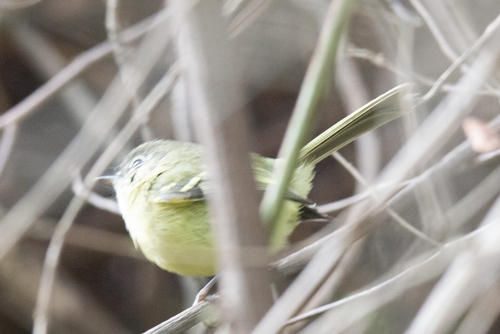 Mottle-cheeked Tyrannulet
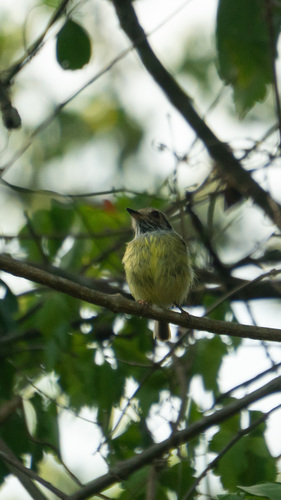 Eared Pygmy-Tyrant
In breve
Il Mottle-cheeked Tyrannulet e l'Eared Pygmy-Tyrant possono essere distinti dalle loro preferenze di habitat e dalle loro gamme altitudinali. Il Mottle-cheeked Tyrannulet si trova a quote più elevate (1000–2200 m) rispetto all'Eared Pygmy-Tyrant, che abita a quote più basse (dal livello del mare a 1200 m). Entrambe le specie sono piccoli catturatori di insetti, ma i loro comportamenti e le altezze di foraggiamento preferite differiscono.
Consigli di identificazione
Cerca le bande alari e le marcature bianche sulle terziarie del Mottle-cheeked Tyrannulet e nota la sua presenza in stormi di specie miste a quote più elevate. L'Eared Pygmy-Tyrant è più probabile trovarlo a quote più basse e può essere identificato dal suo stile di nidificazione unico.
Piumaggio
Entrambe le specie hanno un piumaggio verde oliva, ma il Mottle-cheeked Tyrannulet presenta bande alari evidenti e marcature bianche prominenti sulle terziarie. I dettagli del piumaggio dell'Eared Pygmy-Tyrant sono meno specificati ma dovrebbero consentire un'identificazione facile rispetto ad altri piccoli catturatori di insetti.
Comportamento
Il Mottle-cheeked Tyrannulet si posa orizzontalmente e tiene la coda leggermente inclinata, spesso unendosi a stormi di specie miste. L'Eared Pygmy-Tyrant foraggia nella vegetazione bassa o nel sottobosco e costruisce un nido a forma di 'borsa'.
Habitat
Il Mottle-cheeked Tyrannulet abita habitat forestali a quote più elevate (1000–2200 m), mentre l'Eared Pygmy-Tyrant si trova in foreste umide e ai margini dal livello del mare a 1200 m.
Mottle-cheeked Tyrannulet · Eared Pygmy-Tyrant · I miei uccelli difficili