
Nutting's Flycatcher vs Great Crested Flycatcher
Myiarchus nuttingi contro Myiarchus crinitus
Fai un quiz con Nutting's Flycatcher e Great Crested Flycatcher
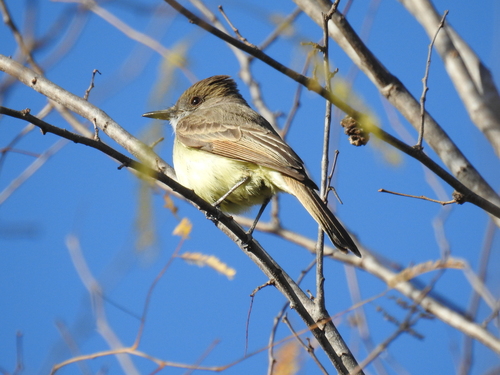 Nutting's Flycatcher
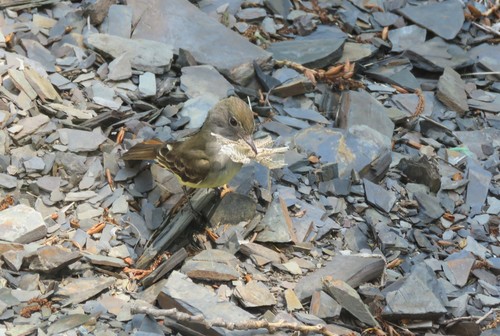 Great Crested Flycatcher
In breve
Nutting's Flycatcher e Great Crested Flycatcher possono essere distinti dalle loro preferenze di habitat e dalle sottili differenze nel piumaggio. Nutting's Flycatcher si trova tipicamente in foreste spinate dense e a chioma chiusa, mentre Great Crested Flycatcher preferisce boschi più aperti. Entrambe le specie hanno una struttura simile, ma le loro vocalizzazioni e i dettagli specifici del piumaggio possono aiutare nell'identificazione.
Consigli di identificazione
- Habitat: Controlla il tipo di foresta; Nutting's preferisce la chioma densa, Great Crested preferisce boschi aperti. 2. Plumage: Cerca sottili differenze nel contrasto tra gola e petto. 3. Location: Considera l'area geografica se nota, poiché di solito non si sovrappongono.
Piumaggio
Entrambe le specie hanno un piumaggio complessivo simile, ma Nutting's Flycatcher può mostrare un contrasto leggermente minore tra la gola e il petto rispetto al Great Crested Flycatcher. Cerca sottili differenze nel tono delle parti superiori e della coda.
Habitat
Nutting's Flycatcher favorisce foreste spinate dense e a chioma chiusa, mentre Great Crested Flycatcher si trova più spesso in boschi aperti.
Nutting's Flycatcher · Great Crested Flycatcher · I miei uccelli difficili