
nutting's flycatcher vs great crested flycatcher
Myiarchus nuttingi versus Myiarchus crinitus
Jogue um quiz com nutting's flycatcher e great crested flycatcher
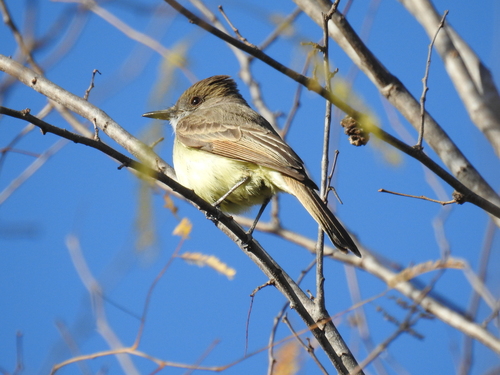 nutting's flycatcher
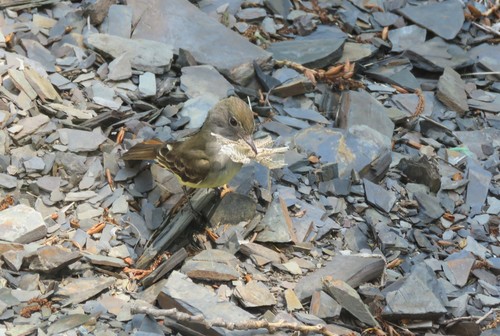 great crested flycatcher
Em resumo
nutting's flycatcher e great crested flycatcher podem ser distinguidos por suas preferências de habitat e sutis diferenças de plumagem. nutting's flycatcher é tipicamente encontrado em florestas espinhosas de dossel fechado e denso, enquanto great crested flycatcher prefere matas mais abertas. ambas as espécies têm estrutura semelhante, mas suas vocalizações e detalhes específicos da plumagem podem ajudar na identificação.
Dicas de identificação
- Habitat: Verifique o tipo de floresta; nutting's prefere dossel denso, great crested prefere matas abertas. 2. Plumagem: Procure por diferenças sutis no contraste entre a garganta e o peito. 3. Localização: Considere a faixa geográfica, se conhecida, pois elas não costumam se sobrepor.
Plumagem
Ambas as espécies têm plumagem geral semelhante, mas nutting's flycatcher pode apresentar um contraste ligeiramente menor entre a garganta e o peito em comparação com o great crested flycatcher. Procure por diferenças sutis no tom das partes superiores e da cauda.
Habitat
nutting's flycatcher prefere florestas espinhosas de dossel fechado e denso, enquanto great crested flycatcher é mais frequentemente encontrado em matas abertas.
nutting's flycatcher · great crested flycatcher · Minhas aves difíceis