
Avocetta vs Beccaccia di mare
Recurvirostra avosetta contro Haematopus ostralegus
Fai un quiz con Avocetta e Beccaccia di mare
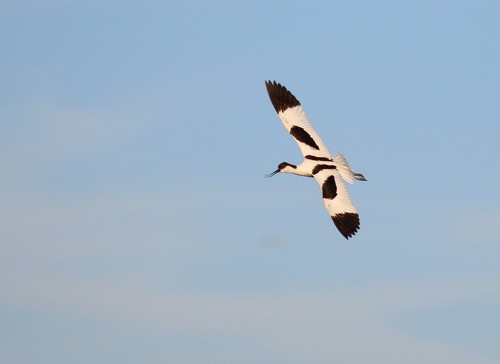 Avocetta
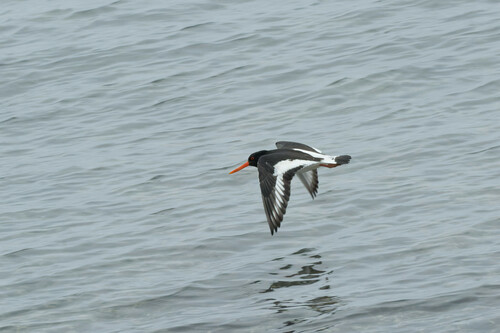 Beccaccia di mare
In breve
L'Avocetta e la Beccaccia di mare sono entrambi wader neri e bianchi molto appariscenti, ma possono essere distinti in modo affidabile dalla forma del becco: l'Avocetta ha un becco sottile e ricurvo, mentre la Beccaccia di mare ha un becco robusto, dritto e di un brillante colore arancione. Queste specie differiscono nel loro comportamento alimentare e negli habitat preferiti, che possono anche aiutare nell'identificazione.
Consigli di identificazione
1. Forma del Becco: becco sottile e ricurvo dell'Avocetta vs. becco robusto, dritto e arancione della Beccaccia di mare.
2. Comportamento Alimentare: l'Avocetta muove il becco da lato a lato; la Beccaccia di mare scava o apre i molluschi.
3. Habitat: Avocetta nelle zone umide; Beccaccia di mare sulle coste e negli estuari.
Piumaggio
Entrambe le specie presentano piumaggio nero e bianco, ma l'Avocetta ha un aspetto più elegante con un corpo bianco e un cappuccio, ali e schiena neri. La Beccaccia di mare ha un corpo superiore nero più solido con un ventre bianco prominente e una banda alare.
Comportamento
Le Avocette spesso si nutrono muovendo i loro becchi ricurvi da lato a lato in acque poco profonde, mentre le Beccacce di mare usano i loro forti becchi per aprire i molluschi o cercare invertebrati.
Habitat
Le Avocette si trovano tipicamente in zone umide poco profonde e paludi salate, mentre le Beccacce di mare sono più comunemente associate a zone costiere, coste rocciose e estuari.