
Pied-billed Grebe vs Common Gallinule
Podilymbus podiceps contro Gallinula galeata
Fai un quiz con Pied-billed Grebe e Common Gallinule
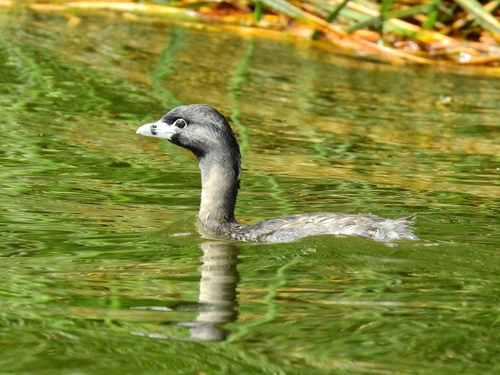 Pied-billed Grebe
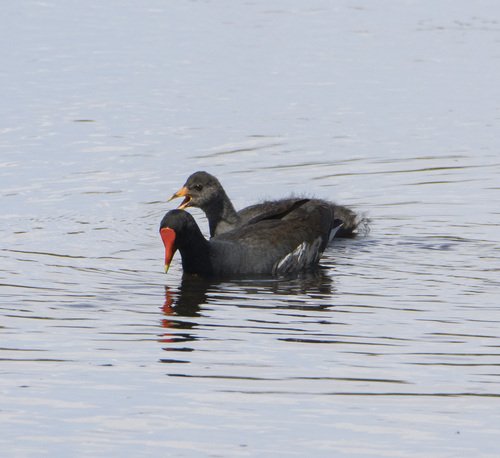 Common Gallinule
In breve
Il Pied-billed Grebe e il Common Gallinule possono essere distinti dalle loro becchi e preferenze di habitat. Il grebe ha un becco distintivo, corto, alto e arcuato di colore bianco bluastro con una barra nera verticale durante la stagione di riproduzione, mentre il gallinule ha un becco più tipico. Il grebe è più riservato e spesso si trova in acque aperte, mentre il gallinule è più gregario e associato ai bordi delle paludi.
Consigli di identificazione
Bill shape and color: Cerca il becco corto, alto e arcuato del Pied-billed Grebe di colore bianco bluastro con una barra nera verticale nella stagione di riproduzione. Behavior: Nota la tendenza del grebe a tuffarsi o affondare per sfuggire, rispetto al comportamento più sociale del gallinule.
Piumaggio
Il Pied-billed Grebe ha un piumaggio marrone, mentre il piumaggio del Common Gallinule non è dettagliato nelle note, ma è generalmente più scuro e più simile a un gallinule.
Comportamento
Il Pied-billed Grebe è riservato, spesso tuffandosi o affondando per sfuggire al pericolo, mentre il Common Gallinule è più gregario, specialmente in inverno.
Habitat
Il Pied-billed Grebe si trova comunemente in paludi d'acqua dolce, laghi e fiumi lenti, e in inverno, in estuari salmastri. Il Common Gallinule è associato a paludi, stagni, canali, fossati e campi di riso con una miscela di vegetazione sommersa ed emergente.
Voce
Il Pied-billed Grebe ha un richiamo lontano 'caow caow caow' che può spesso essere udito prima che l'uccello venga visto. Le vocalizzazioni del Common Gallinule non sono dettagliate nelle note.
Pied-billed Grebe · Common Gallinule · I miei uccelli difficili