
Calandro maggiore vs Long-billed Pipit
Anthus richardi contro Anthus similis
Fai un quiz con Calandro maggiore e Long-billed Pipit
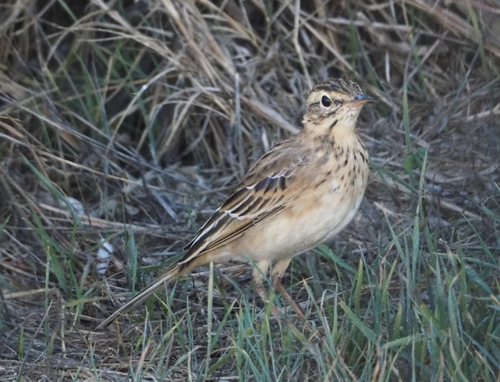 Calandro maggiore
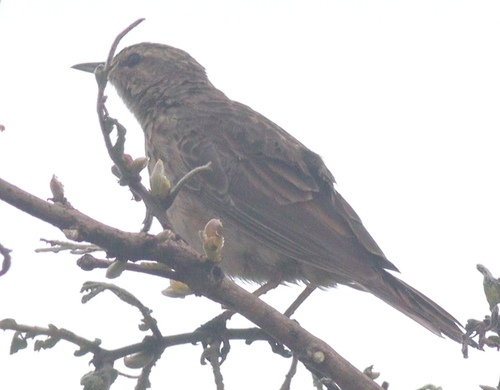 Long-billed Pipit
In breve
Il Calandro maggiore e il Long-billed Pipit possono essere distinti dalla loro struttura e dal piumaggio. Il Calandro maggiore ha tipicamente una coda più lunga e una postura più eretta, mentre il Long-billed Pipit è più scuro con bordi sabbiosi e una striscia malare distintiva.
Consigli di identificazione
1. Structure: Cerca una coda più lunga e una postura più eretta nel Calandro maggiore. 2. Plumage: Nota il colore marrone terra scuro con bordi sabbiosi e la striscia malare distintiva nel Long-billed Pipit. 3. Habitat: Considera l'habitat, poiché il Long-billed Pipit preferisce le pendici rocciose con cespugli.
Piumaggio
Il Long-billed Pipit è molto scuro marrone terra con bordi sabbiosi sopra e sabbiosi con striature pesanti sotto, presentando una striscia malare distintiva. Il Calandro maggiore non presenta questi specifici schemi di colore.
Habitat
Il Long-billed Pipit si trova generalmente su pendici rocciose o sassose con alcuni cespugli o boschi aperti. Il Calandro maggiore non è specificamente noto per questa preferenza di habitat.
Calandro maggiore · Long-billed Pipit · I miei uccelli difficili