
Ruddy Woodcreeper vs Plain-brown Woodcreeper
Dendrocincla homochroa contro Dendrocincla fuliginosa
Fai un quiz con Ruddy Woodcreeper e Plain-brown Woodcreeper
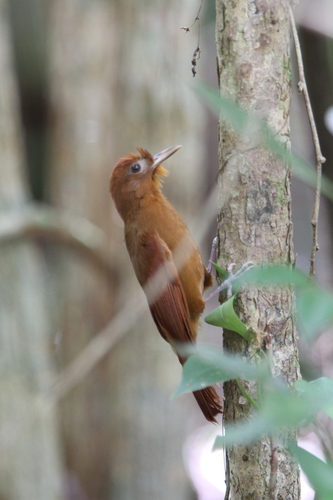 Ruddy Woodcreeper
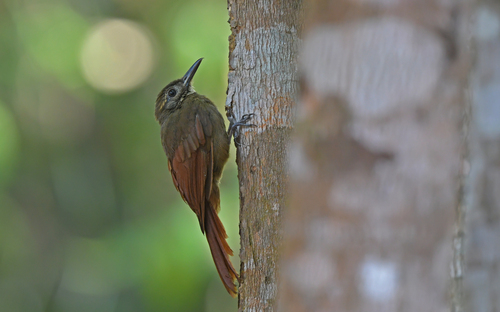 Plain-brown Woodcreeper
In breve
Il Ruddy Woodcreeper e il Plain-brown Woodcreeper sono simili nella struttura ma possono essere differenziati dal loro becco e piumaggio. Il Ruddy Woodcreeper ha un becco corto, robusto e abbastanza dritto e lore grigi, mentre il Plain-brown Woodcreeper presenta un becco nero, un supercilium debole e una striscia malare prominente.
Consigli di identificazione
- Forma e colore del becco: Il Ruddy Woodcreeper ha un becco corto, robusto e abbastanza dritto, mentre il Plain-brown Woodcreeper ha un becco nero. 2. Marcature facciali: Cerca le lore grigie sul Ruddy Woodcreeper rispetto al supercilium debole e alla striscia malare prominente del Plain-brown Woodcreeper. 3. Comportamento: Nota la tendenza del Ruddy Woodcreeper a seguire i gruppi di formiche soldato, a differenza del comportamento più solitario o di gruppo misto del Plain-brown Woodcreeper.
Piumaggio
Il Ruddy Woodcreeper mostra lore grigie e manca delle striature o macchie viste in altri woodcreepers. Il Plain-brown Woodcreeper, d'altra parte, ha un supercilium debole e una striscia malare prominente, con un tono più rufescente sia sopra che sotto.
Comportamento
Il Ruddy Woodcreeper è altamente dipendente dai gruppi di formiche soldato ed è tipicamente visto all'interno di stormi mobili e misti. Il Plain-brown Woodcreeper, sebbene spesso trovato vicino alle formiche soldato, non è un seguace obbligato e può essere visto nutrirsi da solo o con altri stormi di specie miste.
Ruddy Woodcreeper · Plain-brown Woodcreeper · I miei uccelli difficili