
Shore Plover vs Double-banded Plover
Thinornis novaeseelandiae contro Anarhynchus bicinctus
Fai un quiz con Shore Plover e Double-banded Plover
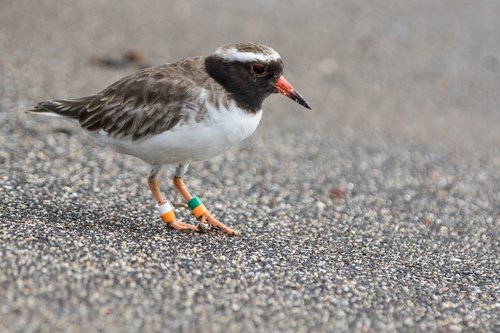 Shore Plover
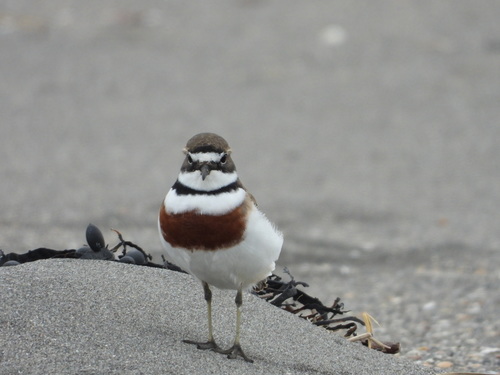 Double-banded Plover
In breve
Il Shore Plover e il Double-banded Plover possono essere distinti dai loro schemi di piumaggio e dalle preferenze di habitat. Il Shore Plover ha spesso una maschera e una fronte nere distintive, mentre il Double-banded Plover presenta due bande sul petto, che sono più prominenti nei maschi in riproduzione. La scelta dell'habitat può anche essere un indizio, poiché i Shore Plover si trovano più frequentemente su coste rocciose e isole, mentre i Double-banded Plover preferiscono spiagge sabbiose e estuari.
Consigli di identificazione
Cerca la maschera e la fronte nere sul Shore Plover. Controlla per due bande sul petto sul Double-banded Plover, specialmente nei maschi in riproduzione. Considera l'habitat: le coste rocciose suggeriscono Shore Plover, le spiagge sabbiose suggeriscono Double-banded Plover.
Piumaggio
I Shore Plover hanno una maschera e una fronte nere, che sono una caratteristica distintiva chiave. Al contrario, i Double-banded Plover hanno due bande distinte sul petto, specialmente visibili nei maschi in riproduzione. Le bande del Double-banded Plover sono un segno affidabile quando presenti.
Habitat
I Shore Plover si trovano tipicamente su coste rocciose e isole, mentre i Double-banded Plover preferiscono spiagge sabbiose e estuari.
Shore Plover · Double-banded Plover · I miei uccelli difficili