
Gufo di palude vs Marsh Owl
Asio flammeus contro Asio capensis
Fai un quiz con Gufo di palude e Marsh Owl
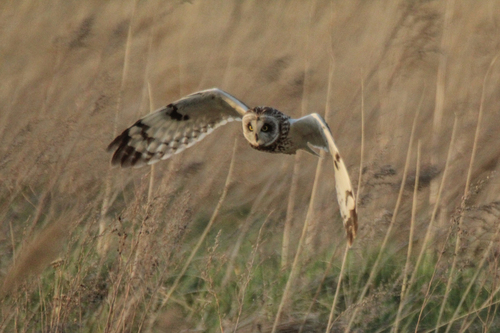 Gufo di palude
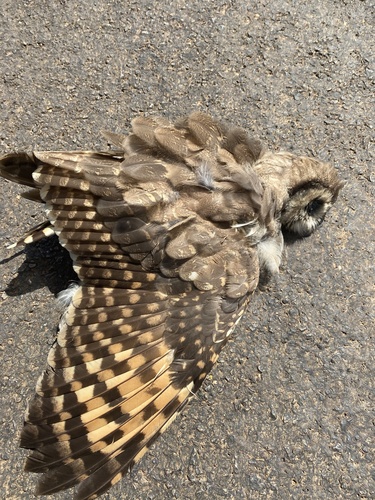 Marsh Owl
In breve
Il Gufo di palude e il Marsh Owl possono essere distinti dalle loro preferenze di habitat e comportamento. I Gufi di palude sono più adattabili e possono essere trovati in una varietà di habitat aperti, mentre i Marsh Owl sono tipicamente associati a zone paludose o umide. Entrambe le specie hanno un piumaggio simile, rendendo l'habitat e il comportamento più affidabili per l'identificazione.
Consigli di identificazione
- Osserva l'habitat: i Gufi di palude sono più probabili in campi aperti, mentre i Marsh Owl preferiscono aree paludose. 2. Nota il momento dell'attività: i Gufi di palude sono spesso attivi durante il giorno, mentre i Marsh Owl sono più attivi all'alba e al tramonto.
Piumaggio
Entrambe le specie hanno un piumaggio simile con colori marroni maculati e buff, rendendoli difficili da distinguere solo in base al piumaggio.
Comportamento
I Gufi di palude sono noti per il loro comportamento di caccia diurno, spesso visti volare bassi sopra campi aperti. I Marsh Owl sono più crepuscolari, essendo attivi durante l'alba e il tramonto.
Habitat
I Gufi di palude si trovano in una vasta gamma di habitat aperti, tra cui praterie, tundra e campi agricoli. Al contrario, i Marsh Owl sono più ristretti a ambienti paludosi o umidi.