
Spike-heeled Lark vs Southern Brown-throated Weaver
Chersomanes albofasciata contro Ploceus xanthopterus
Fai un quiz con Spike-heeled Lark e Southern Brown-throated Weaver
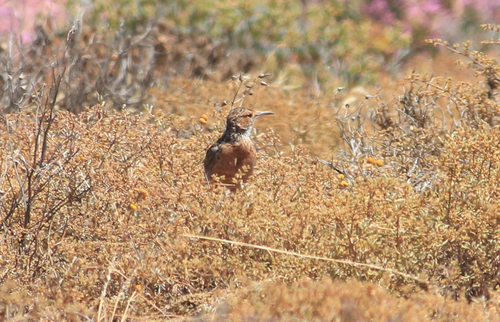 Spike-heeled Lark
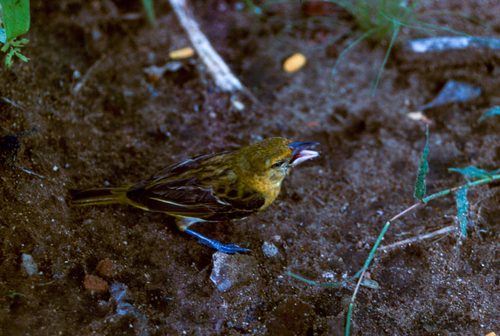 Southern Brown-throated Weaver
In breve
Il Spike-heeled Lark e il Southern Brown-throated Weaver possono essere distinti principalmente dalla loro struttura e dalle preferenze di habitat. Il lark è un passeriforme terrestre con adattamenti per la vita a terra, mentre il weaver è più arboricolo e associato a habitat umidi.
Consigli di identificazione
Structure: Cerca il comportamento terrestre dello Spike-heeled Lark e gli adattamenti per la vita terrestre, come il suo tallone a forma di spina. Habitat: Nota l'habitat; i lark si trovano in aree aperte e asciutte, mentre i weaver sono vicino all'acqua. Plumage: Considera il piumaggio variabile del lark influenzato dal suolo, in contrasto con l'aspetto più uniforme del weaver.
Piumaggio
Lo Spike-heeled Lark mostra una vasta variazione di colorazione a causa delle sue molte sottospecie, spesso influenzate dalle condizioni del suolo locale, mentre il Southern Brown-throated Weaver mostra schemi di piumaggio più coerenti tipici dei weaver.
Comportamento
Lo Spike-heeled Lark è principalmente terrestre, spesso trovato in aree aperte, mentre il Southern Brown-throated Weaver è più probabile che venga visto sugli alberi o vicino all'acqua, riflettendo il suo stile di vita arboricolo e associato agli habitat umidi.
Habitat
Gli Spike-heeled Larks si trovano in ambienti terrestri aperti in tutta l'Africa meridionale, evitando le aree agricole, mentre i Southern Brown-throated Weavers sono associati a zone umide e aree vicino all'acqua.
Spike-heeled Lark · Southern Brown-throated Weaver · I miei uccelli difficili