
Voltolino vs Lesser Moorhen
Porzana porzana contro Paragallinula angulata
Fai un quiz con Voltolino e Lesser Moorhen
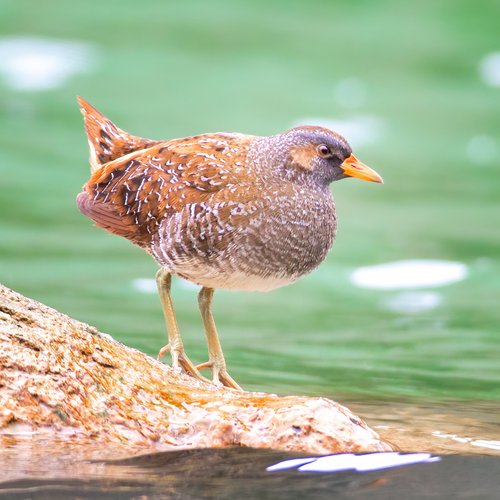 Voltolino
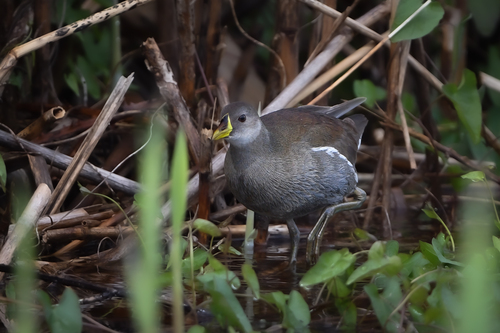 Lesser Moorhen
In breve
Il segno distintivo più affidabile tra Voltolino e Lesser Moorhen è la caratteristica maculatura bianca del Voltolino sui fianchi e le barre scure, assente nel Lesser Moorhen. Il Voltolino mostra un becco giallo corto e dritto con una base rossa, mentre il becco del Lesser Moorhen è diverso (dettagli non forniti, ma non descritto come corto e dritto). Negli adulti, il Voltolino ha un petto blu-grigio e parti superiori marroni con macchie bianche, mentre il Lesser Moorhen manca di queste caratteristiche. I Voltolini giovani sostituiscono il blu-grigio con il marrone ma mostrano ancora il motivo maculato e barrato. Anche la struttura e il colore delle gambe aiutano: il Voltolino ha gambe verdi con dita lunghe e una coda corta di colore buff. Il Lesser Moorhen, al contrario, è più simile a Gallinula e manca di questi segni specifici.
Consigli di identificazione
- Flank spotting and barring: Il Voltolino mostra sempre macchie bianche e barre scure sui fianchi, un segno chiave sia negli adulti che nei giovani. Il Lesser Moorhen manca di queste macchie e barre: cerca fianchi puliti e privi di segni.
- Breast color: L'adulto Voltolino ha un petto blu-grigio, mentre i giovani hanno il marrone. Il Lesser Moorhen non mostra questo blu-grigio o lo stesso lavaggio marrone; aspettati una parte inferiore più uniforme, simile a Gallinula.
- Bill shape and color: Il Voltolino ha un becco giallo corto e dritto con una base rossa. Se vedi un becco più lungo e simile a Gallinula, sospetta il Lesser Moorhen.
- Tail: La coda del Voltolino è corta e di colore buff sotto: fai attenzione a questo quando l'uccello muove la coda. La coda del Lesser Moorhen non è descritta come buff o particolarmente corta.
- Legs and toes: Il Voltolino ha gambe verdi con dita lunghe, visibili quando cammina o si muove nell'acqua. Il colore delle gambe del Lesser Moorhen non è specificato ma è improbabile che sia verde con dita così lunghe.
- Upperparts: Il Voltolino è marrone sopra con qualche motivo, mentre ci si aspetta che il Lesser Moorhen sia più semplice e uniformemente scuro (come in Gallinula).
- Juvenile confusion: Anche nei giovani/immaturi Voltolino, la maculatura e le barre sui fianchi persistono, anche se il petto è marrone. Questo è ancora diagnostico rispetto al Lesser Moorhen.
- Downy chicks: I pulcini di entrambe le specie sono neri e non separabili in questa fase.
- Flight views: Non sono descritti segni distintivi sulle ali superiori o di volo per nessuna delle due specie, quindi fai affidamento sul motivo del corpo e dei fianchi anche in volo.
- Overall jizz: Il Voltolino è compatto con una coda corta e un becco dritto; il Lesser Moorhen può apparire più simile a Gallinula nella struttura.
- Habitat overlap: Entrambi utilizzano paludi e zone umide; non usare l'habitat da solo per separarli.
- Voice: Non è descritta nelle fonti: non fare affidamento sulle vocalizzazioni per la separazione.
- Pitfalls: Non confondere il Voltolino con la Sora (che manca di maculature sul petto e ha una striscia coronale non striata), ma la Sora non è il Lesser Moorhen.
- Season and sex: Non sono descritte differenze stagionali o sessuali che influenzano l'identificazione; usa i segni sopra tutto l'anno.
- When in doubt: Se vedi un piccolo rall con fianchi maculati di bianco e un becco giallo corto e dritto, è un Voltolino. L'assenza di questi segni, specialmente in un uccello più semplice e simile a Gallinula, indica il Lesser Moorhen.
Taglia
Il Voltolino è un piccolo rall, con una massa corporea di circa 80g e una lunghezza di 19–22,5 cm, rendendolo leggermente più piccolo del Porciglione. Non ci sono misurazioni dirette per il Lesser Moorhen nelle fonti fornite, ma il nome e la collocazione del genere suggeriscono che sia anche un piccolo rall, probabilmente simile in dimensioni o leggermente più piccolo della Gallinella d'acqua. Sul campo, la dimensione da sola non è un separatore affidabile a meno che entrambe le specie non siano affiancate, poiché entrambe sono piccoli rall compatti.
Piumaggio
I Voltolini adulti sono marroni sopra con macchie bianche prominenti sui fianchi e barre scure, e un petto blu-grigio. La coda corta è di colore buff sotto. I giovani sono simili ma hanno il marrone al posto del petto blu-grigio, mostrando ancora il motivo maculato e barrato. I pulcini in piuma sono neri. Il Lesser Moorhen, al contrario, manca della maculatura bianca e delle barre del Voltolino. La sua livrea non è descritta in dettaglio nelle fonti, ma come parente di Gallinula, ci si aspetta che sia più semplice e manchi della caratteristica maculatura e barre del Voltolino. Non sono descritti segni specifici per l'età sulle ali o sul volo per nessuna delle due specie nelle fonti, quindi concentrati sul motivo dei fianchi e del petto per tutte le età.
Comportamento
Il Voltolino tipicamente esplora nel fango o in acque poco profonde con il suo becco, raccogliendo anche cibo per vista. Entrambe le specie sono rall e mostrano probabilmente un comportamento simile, riservato e furtivo nella vegetazione densa delle paludi. Non sono descritte differenze comportamentali uniche nelle fonti che possano separarle in modo affidabile sul campo.
Habitat
Il Voltolino nidifica in paludi e letti di carici in tutta l'Europa temperata e nell'Asia occidentale. L'habitat del Lesser Moorhen non è descritto nelle fonti fornite, ma come parente di Gallinula, è probabile che si trovi in habitat umidi simili. In aree dove entrambe le specie potrebbero verificarsi come vagabonde, l'habitat da solo non è diagnostico.