
Wandering Whistling-Duck vs Ubara asiatica
Dendrocygna arcuata contro Chlamydotis macqueenii
Fai un quiz con Wandering Whistling-Duck e Ubara asiatica
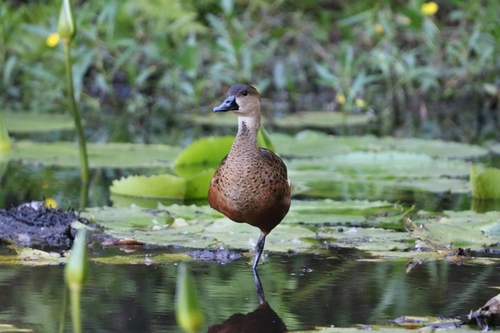 Wandering Whistling-Duck
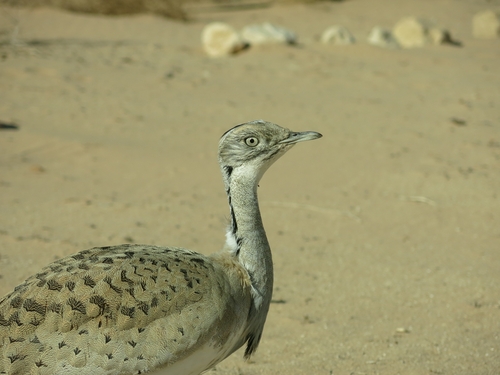 Ubara asiatica
In breve
Il Wandering Whistling-Duck e l'Ubara asiatica sono distinti nell'aspetto e nel comportamento. Il Wandering Whistling-Duck è un'anatra acquatica con un richiamo fischiante distintivo, mentre l'Ubara asiatica è un uccello terrestre noto per le sue elaborate esibizioni di corteggiamento. Osservare il loro habitat e comportamento aiuterà a distinguerli.
Consigli di identificazione
Controlla l'habitat: Zone umide per il Wandering Whistling-Duck, regioni aride per l'Ubara asiatica. Osserva il comportamento: Gruppi e nuoto per l'anatra, esibizioni solitarie e terrestri per l'ubara. Ascolta i richiami: Fischi per l'anatra, silenzio per l'ubara.
Taglia
Il Wandering Whistling-Duck è generalmente più piccolo e compatto rispetto all'Ubara asiatica, che è più grande e allungata.
Piumaggio
Il Wandering Whistling-Duck ha un piumaggio prevalentemente marrone con un volto e un collo più chiari, mentre l'Ubara asiatica presenta una colorazione più criptica, marrone sabbioso, con motivi intricati che si mimetizzano negli ambienti aridi.
Comportamento
Il Wandering Whistling-Duck è spesso visto in gruppi su corpi d'acqua, mentre l'Ubara asiatica è di solito solitaria o in piccoli gruppi su terra asciutta, esibendo elaborate performance durante la stagione degli amori.
Habitat
Il Wandering Whistling-Duck si trova tipicamente in zone umide e laghi d'acqua dolce, mentre l'Ubara asiatica abita regioni aride e semi-aride come deserti e steppe.
Voce
Il Wandering Whistling-Duck è noto per i suoi distintivi richiami fischianti, mentre l'Ubara asiatica è generalmente più silenziosa e meno vocale.
Wandering Whistling-Duck · Ubara asiatica · I miei uccelli difficili