Western Bowerbird vs Spotted Bowerbird
Chlamydera guttata contro Chlamydera maculata
Fai un quiz con Western Bowerbird e Spotted Bowerbird
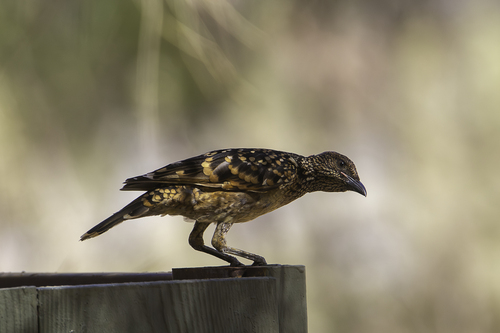 Western Bowerbird
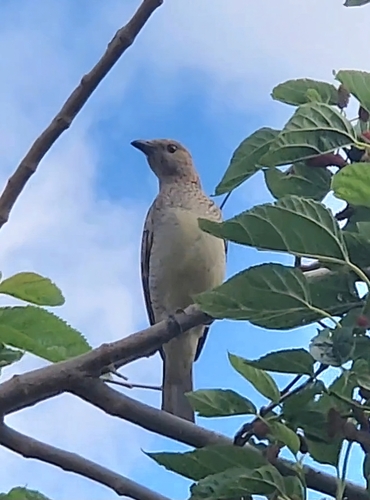 Spotted Bowerbird
In breve
Il segno distintivo più affidabile per separare il Western Bowerbird dallo Spotted Bowerbird è la colorazione e la maculatura complessive: il Western Bowerbird è più marrone e più uniformemente macchiato con macchie rossastre o color sabbia, mentre lo Spotted Bowerbird è più scuro sopra con una maculatura ambra più estesa e un ventre più chiaro, color crema. Entrambe le specie hanno una cresta nuchale rosa o rosa-lilla, ma quella dello Spotted Bowerbird è tipicamente più grande e più evidente, specialmente nei maschi in mostra. La struttura è leggermente diversa, con lo Spotted Bowerbird che è leggermente più grande e più robusto. L'areale è un forte indizio: il Western Bowerbird è ristretto all'Australia centrale e occidentale, mentre lo Spotted Bowerbird si trova nell'Australia orientale. Le vocalizzazioni e i comportamenti di decorazione del nido possono anche aiutare, ma sono più dipendenti dal contesto.
Consigli di identificazione
- Spotting pattern and color: Il Western Bowerbird è marrone con macchie rossastre o color sabbia sulle parti superiori e parti inferiori color sabbia; lo Spotted Bowerbird è più scuro (nerastro-marrone) sopra con macchie ambra e un ventre più chiaro, color crema, con scalloping e una coda giallastra. Questo è il segno distintivo più consistente per tutte le età.
- Nuchal crest: Entrambi hanno una cresta erettile rosa o rosa-lilla sulla nuca, ma quella dello Spotted Bowerbird è più grande, più tonalità lilla e più prominente, specialmente nei maschi durante la mostra. La cresta del Western Bowerbird è più piccola e più rosa.
- Head and face: Lo Spotted Bowerbird ha una testa rufous pallido striata di grigio-marrone, in contrasto con le parti superiori più scure; la testa del Western Bowerbird è più uniformemente marrone con macchie.
- Underparts: Lo Spotted Bowerbird ha parti inferiori color crema con scalloping grigiastro e una sfumatura giallastra sul ventre inferiore e sulla coda; le parti inferiori del Western Bowerbird sono color sabbia e meno macchiate.
- Size and structure: Lo Spotted Bowerbird è leggermente più grande e più robusto, ma questo è sottile e non sempre affidabile sul campo a meno che gli uccelli non siano insieme.
- Sexual monomorphism: Entrambe le specie sono simili nel piumaggio tra i sessi, ma la femmina del Western Bowerbird può essere più pesantemente macchiata sulla gola.
- Bower decoration: Entrambe le specie costruiscono nidi a forma di viale e decorano con oggetti colorati, ma il Western Bowerbird tende a usare più oggetti verdi e bianchi (inclusi oggetti artificiali), mentre il nido dello Spotted Bowerbird può essere più variabile nella decorazione.
- Display behavior: I maschi dello Spotted Bowerbird si esibiscono con ampie circonferenze, testa sollevata, coda inclinata, ali abbassate e uso aggressivo delle decorazioni; i maschi del Western Bowerbird eseguono danze ritualizzate con ventagli di coda e battiti d'ali.
- Vocal mimicry: Lo Spotted Bowerbird è un forte imitatore, spesso imitando altri uccelli e suoni ambientali, specialmente quando disturbato. Il Western Bowerbird non è noto per l'imitazione.
- Habitat and range: Il Western Bowerbird si trova nell'Australia centrale e nord-occidentale (foreste aride/semi-aride), mentre lo Spotted Bowerbird è nell'Australia orientale (foreste sclerofille aperte/foreste fluviali, frutteti, giardini). La posizione è spesso decisiva.
- Context of observation: Se visto a un nido, cerca il tipo di decorazioni e il comportamento di mostra; le esibizioni dello Spotted Bowerbird sono più elaborate e includono più imitazione.
- Tail: Le femmine del Western Bowerbird hanno code leggermente più lunghe dei maschi, ma questo è sottile e non è un segno distintivo primario.
- Pitfalls: Entrambe le specie possono apparire simili a distanza o in scarsa luce; concentrati sul modello di maculatura, sul colore della testa e sul contrasto delle parti inferiori. Gli uccelli immaturi e adulti non sono descritti come significativamente diversi in queste caratteristiche.
- When marks fail: Se il piumaggio non è chiaramente visibile, usa le vocalizzazioni e l'habitat come indizi secondari. In caso di dubbio, l'areale è spesso il miglior separatore.
- No age-specific flight marks: Non ci sono modelli distintivi di ali superiori giovanili o immaturi descritti per nessuna delle due specie, quindi fai affidamento sulla colorazione complessiva e sulla maculatura per tutte le età.
Taglia
Lo Spotted Bowerbird è leggermente più grande e più pesante del Western Bowerbird. Lo Spotted Bowerbird ha una lunghezza media di circa 29 cm e una massa di 142 g [wikidata], mentre il Western Bowerbird è di 24–28 cm e 120–150 g [wikipedia]. Entrambi sono bowerbirds di dimensioni medie, ma lo Spotted Bowerbird ha una struttura leggermente più robusta e compatta. Sul campo, questa differenza è sottile e potrebbe essere difficile da giudicare a meno che gli uccelli non siano affiancati.
Piumaggio
Non ci sono note specifiche sui modelli di ali superiori dipendenti dall'età o sui segni di volo giovanili per nessuna delle due specie, quindi la separazione si basa sulla colorazione complessiva e sulla maculatura in tutte le età. Il Western Bowerbird è complessivamente marrone con macchie rossastre o color sabbia sulla gola, sul petto, sulla nuca, sulla schiena, sulla testa e sulle ali; le parti inferiori sono color sabbia. La cresta erettile rosa sulla nuca è presente ma di solito più piccola e meno appariscente rispetto a quella dello Spotted Bowerbird. La femmina del Western Bowerbird è simile al maschio ma con macchie più pesanti sulla gola. Lo Spotted Bowerbird è più scuro sopra (nerastro-marrone) con una maculatura ambra estesa sulle parti superiori, una testa rufous pallido striata di grigio-marrone e un ventre più chiaro, color crema, con scalloping grigiastro e barring; il ventre inferiore e la coda hanno una sfumatura giallastra. La cresta nuchale è rosa-lilla, più grande e più prominente, specialmente nei maschi in mostra. Entrambe le specie sono sessualmente monomorfiche, ma il piumaggio dello Spotted Bowerbird è più contrastante e la cresta più appariscente.
Comportamento
Entrambe le specie sono classici bowerbirds, costruendo nidi di tipo viale e decorandoli con oggetti colorati. I maschi del Western Bowerbird decorano con oggetti verdi e bianchi (bacche, conchiglie, ossa, vetro, metallo) ed eseguono danze ritualizzate con ventagli di coda, battiti d'ali e erettazione della cresta. I maschi dello Spotted Bowerbird si esibiscono con ampie circonferenze, testa sollevata, coda inclinata, ali abbassate e uso aggressivo delle decorazioni come oggetti di scena. Le loro esibizioni di corteggiamento possono essere prolungate e coinvolgere movimenti complessi. Lo Spotted Bowerbird è particolarmente noto per la sua imitazione vocale durante la mostra, inclusa l'imitazione di altri uccelli e suoni ambientali. Entrambe le specie usano le loro creste nuchali nella mostra, ma quella dello Spotted Bowerbird è più prominente e spesso eretta in modo più vigoroso.
Habitat
Il Western Bowerbird si trova nell'Australia centrale e nord-occidentale, preferendo foreste aride e semi-aride, spesso con ciuffi di vischio per il nido. Il suo areale è disgiunto e non si sovrappone con quello dello Spotted Bowerbird. Lo Spotted Bowerbird si trova in habitat più secchi dell'Australia orientale, specialmente in foreste sclerofille aperte con sottoboschi densi, ed è spesso associato a foreste di eucalipto e brigalow, aree fluviali, frutteti e persino giardini rurali. Il contesto dell'habitat è un forte indizio: un bowerbird nell'Australia centrale o occidentale è quasi certamente un Western Bowerbird; nell'Australia orientale, è uno Spotted Bowerbird.
Voce
Lo Spotted Bowerbird è un abile imitatore, che imita frequentemente i richiami di altri uccelli (inclusi rapaci e corvidi) così come suoni non aviani (fili di recinzione, taglio del legno, frusta, ecc.), specialmente quando disturbato al nido o al nido. I suoi richiami tipici sono forti, aspri e complessi. Anche il Western Bowerbird chiama al suo nido, ma non ci sono note specifiche sull'imitazione o richiami distintivi, suggerendo che le sue vocalizzazioni sono meno varie e meno probabili da includere imitazioni. Se senti un bowerbird che imita una vasta gamma di suoni, è più probabile che sia uno Spotted Bowerbird.
Western Bowerbird · Spotted Bowerbird · I miei uccelli difficili