
Balestruccio vs Gray-necked Bunting
Delichon urbicum contro Emberiza buchanani
Fai un quiz con Balestruccio e Gray-necked Bunting
 Balestruccio
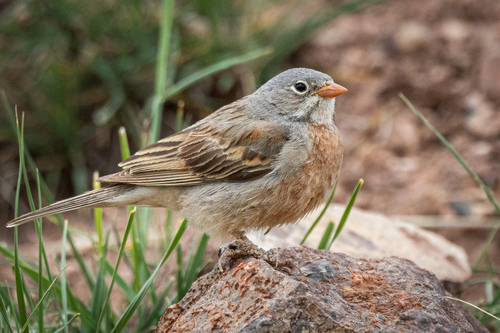 Gray-necked Bunting
In breve
Il Balestruccio e il Gray-necked Bunting si distinguono facilmente per la loro struttura e il loro piumaggio. Il Balestruccio è una piccola rondine aerea con un sottocoda bianco e parti superiori blu-nerastre lucide, mentre il Gray-necked Bunting è un uccello terrestre con un corpo più robusto e un distintivo collo grigio.
Consigli di identificazione
Cerca il sottocoda bianco e le parti superiori blu-nerastre lucide del Balestruccio in volo. Osserva il comportamento terrestre e il collo grigio del Gray-necked Bunting. Le abitudini aeree del Balestruccio contrastano con la ricerca terrestre del Bunting.
Taglia
Il Balestruccio è generalmente più piccolo e più snello rispetto al più grande e robusto Gray-necked Bunting.
Piumaggio
Il Balestruccio ha parti superiori blu-nerastre lucide con un sottocoda bianco e parti inferiori. Al contrario, il Gray-necked Bunting presenta un collo grigio, un corpo bruno e manca della lucentezza.
Comportamento
Il Balestruccio è un insettivoro aereo, spesso visto volare in alto nel cielo. Il Gray-necked Bunting si trova tipicamente a terra o in vegetazione bassa, cercando semi.
Habitat
I Balestrucci si trovano spesso vicino agli insediamenti umani e in aree aperte con acqua, mentre i Gray-necked Buntings preferiscono habitat asciutti e aperti come le macchie e i prati.
Balestruccio · Gray-necked Bunting · I miei uccelli difficili