
Western Wood-Pewee vs Eastern Wood-Pewee
Contopus sordidulus contro Contopus virens
Fai un quiz con Western Wood-Pewee e Eastern Wood-Pewee
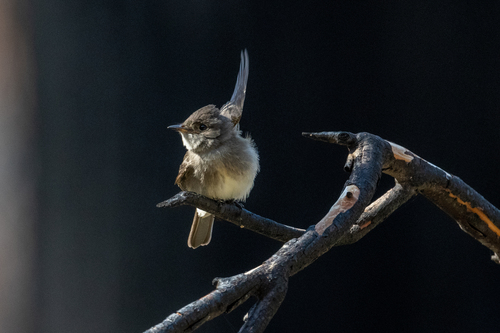 Western Wood-Pewee
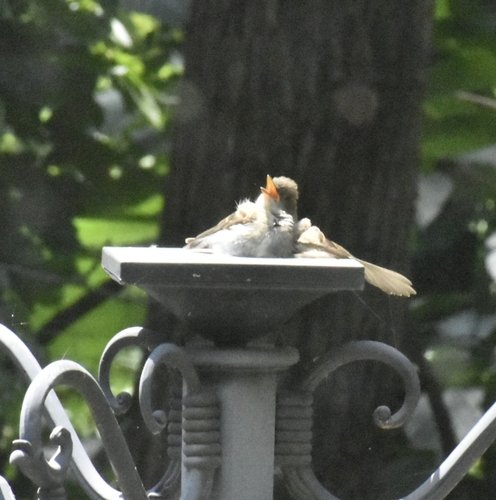 Eastern Wood-Pewee
In breve
Il Western Wood-Pewee e l'Eastern Wood-Pewee sono quasi identici nell'aspetto, rendendoli difficili da distinguere visivamente. Sono meglio separati dai loro canti distintivi e dalle distribuzioni di allevamento, con un sovrapposizione limitata nell'areale. È stata segnalata ibridazione dove i loro areali si incontrano.
Consigli di identificazione
- Vocalizzazioni: Ascolta i canti distintivi per differenziare le due specie. 2. Areale di Allevamento: Nota la posizione; il Western Wood-Pewee si trova nelle regioni occidentali, mentre l'Eastern Wood-Pewee è a est, con alcune sovrapposizioni nelle Grandi Pianure.
Habitat
Entrambe le specie sono predatori che aspettano, lanciandosi da posatoi aperti per catturare insetti volanti. Condividono abitudini di nidificazione simili, posizionando spesso i nidi nella biforcazione di rami orizzontali.
Voce
Il modo più affidabile per distinguere queste specie è attraverso le loro vocalizzazioni, poiché hanno canti distintivi.
Western Wood-Pewee · Eastern Wood-Pewee · I miei uccelli difficili