
White-eared Barbet vs Black-faced Waxbill
Stactolaema leucotis contro Brunhilda erythronotos
Fai un quiz con White-eared Barbet e Black-faced Waxbill
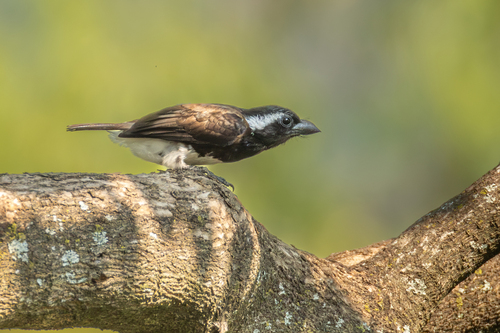 White-eared Barbet
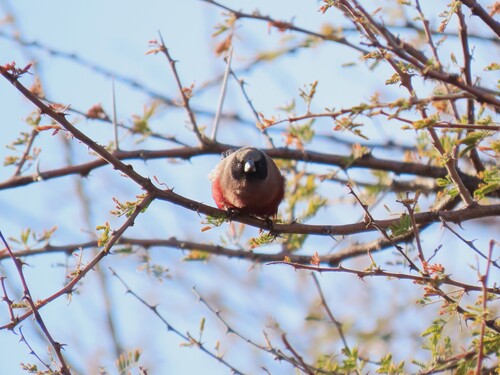 Black-faced Waxbill
In breve
Il White-eared Barbet e il Black-faced Waxbill sono facilmente distinguibili per le loro marcature facciali: il barbet ha una distintiva macchia bianca sull'orecchio, mentre il waxbill presenta un volto nero. Inoltre, la lunga coda nera graduata del waxbill contrasta con la struttura più tipica del barbet.
Consigli di identificazione
Facial markings: Cerca la macchia bianca sull'orecchio del barbet e il volto nero del waxbill. Tail: Il waxbill ha una lunga coda nera graduata. Size: Il waxbill è più piccolo e più delicato rispetto al barbet più grande.
Taglia
Il Black-faced Waxbill è più piccolo, misurando 11–12 cm, mentre il White-eared Barbet è generalmente più grande, anche se non sono fornite misurazioni specifiche.
Piumaggio
Il White-eared Barbet ha una macchia bianca sull'orecchio, mentre il Black-faced Waxbill ha un volto nero con una fronte e una nuca grigio-marroni. Il waxbill ha anche una parte bassa della schiena e copritail rosso profondo, in contrasto con il piumaggio più uniforme del barbet.
Voce
Il Black-faced Waxbill ha un richiamo di contatto acuto 'tip-tip' e una canzone fischiata 'tee', mentre non sono fornite vocalizzazioni specifiche per il White-eared Barbet.
White-eared Barbet · Black-faced Waxbill · I miei uccelli difficili