
White-faced Ibis vs Puna Ibis
Plegadis chihi contro Plegadis ridgwayi
Fai un quiz con White-faced Ibis e Puna Ibis
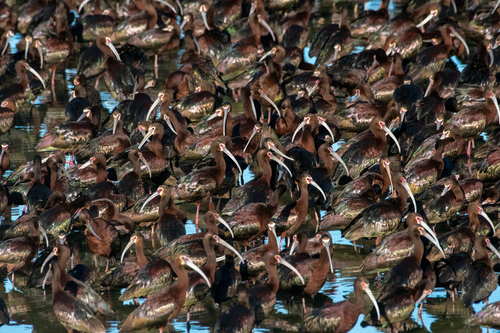 White-faced Ibis
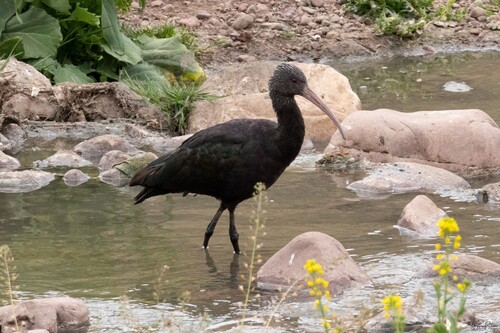 Puna Ibis
In breve
Il White-faced Ibis si distingue per le sue piume facciali bianche durante la stagione di riproduzione, mentre il Puna Ibis manca di questa caratteristica e ha zampe e piumaggio corporeo più scuri. Le due specie differiscono anche nell'habitat, con il White-faced Ibis trovato nelle zone umide del Nord America e il Puna Ibis nelle zone umide ad alta quota delle Ande.
Consigli di identificazione
Cerca le piume facciali bianche sul White-faced Ibis durante la stagione di riproduzione. Nota le zampe e il corpo più scuri del Puna Ibis. Considera l'habitat: il White-faced Ibis si trova nelle zone umide del Nord America, il Puna Ibis nelle regioni andine ad alta quota.
Piumaggio
Durante la stagione di riproduzione, il White-faced Ibis ha piume bianche distintive lungo il bordo della sua pelle facciale nuda, che il Puna Ibis non ha. Il Puna Ibis ha zampe più scure, un'iride più scura e piumaggio corporeo più scuro rispetto al White-faced Ibis.
Habitat
Il White-faced Ibis abita le zone umide d'acqua dolce in Nord America, mentre il Puna Ibis si trova nelle zone umide alpine e nei pascoli delle Ande, dal Perù all'Argentina.