
Luì verde vs Luì bianco orientale
Phylloscopus sibilatrix contro Phylloscopus orientalis
Fai un quiz con Luì verde e Luì bianco orientale
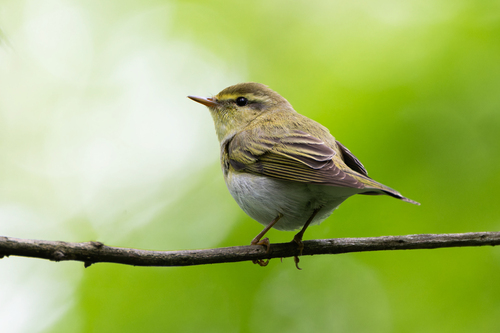 Luì verde
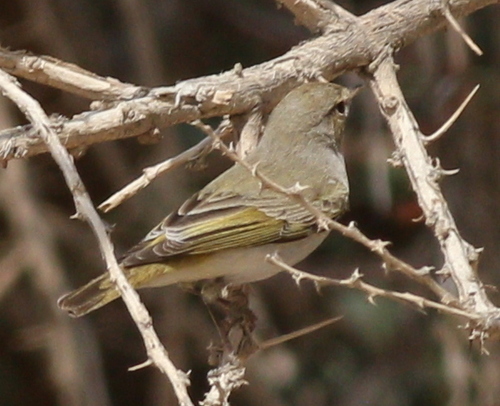 Luì bianco orientale
In breve
Il segno distintivo più affidabile per distinguere un Luì verde da un Luì bianco orientale è la gola e il petto superiore giallo brillante del Luì verde rispetto al colore più sobrio e uniforme del Luì bianco orientale. Inoltre, il Luì verde ha un supercilium più pronunciato e una proiezione primaria leggermente più lunga.
Consigli di identificazione
- Cerca la gola e il petto superiore giallo brillante del Luì verde.
- Nota il supercilium più pronunciato sul Luì verde.
- Controlla la proiezione primaria più lunga nel Luì verde rispetto al Luì bianco orientale.
Piumaggio
Il Luì verde ha una gola e un petto superiore giallo brillante, in contrasto con il suo ventre bianco, mentre il Luì bianco orientale ha un piumaggio più uniforme e sobrio con meno contrasto tra la gola e il ventre. Il Luì verde mostra anche un supercilium più pronunciato.