
Yellow-bellied Flycatcher vs Acadian Flycatcher
Empidonax flaviventris contro Empidonax virescens
Fai un quiz con Yellow-bellied Flycatcher e Acadian Flycatcher
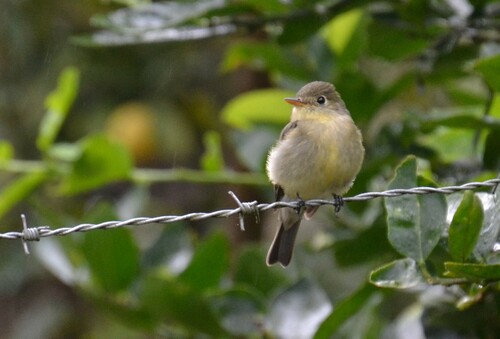 Yellow-bellied Flycatcher
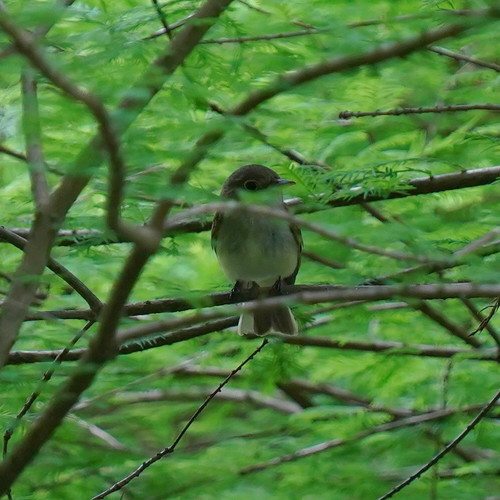 Acadian Flycatcher
In breve
Il Yellow-bellied Flycatcher e l'Acadian Flycatcher possono essere difficili da differenziare, ma l'habitat e il piumaggio offrono indizi. Il Yellow-bellied Flycatcher si trova spesso in foreste di muschio, mentre l'Acadian Flycatcher preferisce foreste decidue mature o conifere. Le differenze di piumaggio sono sottili, con il Yellow-bellied Flycatcher che si fonde bene nel suo ambiente muschioso.
Consigli di identificazione
Concentrati sull'habitat: i Yellow-bellied Flycatchers sono più probabili in foreste muschiose e settentrionali, mentre gli Acadian Flycatchers preferiscono foreste decidue o conifere vicino all'acqua. Osserva i toni del piumaggio in relazione all'ambiente.
Piumaggio
Il piumaggio del Yellow-bellied Flycatcher si fonde bene con gli ambienti muschiosi, suggerendo un tono più tenue e verdastro che corrisponde al suo habitat. L'Acadian Flycatcher non ha questa specifica adattamento, anche se entrambe le specie possono apparire simili con il loro aspetto generale di Empidonax flycatcher.
Habitat
Il Yellow-bellied Flycatcher si trova tipicamente in foreste di muschio durante l'estate, mentre l'Acadian Flycatcher è associato a foreste decidue mature e talvolta conifere, specialmente vicino a corpi idrici.
Yellow-bellied Flycatcher · Acadian Flycatcher · I miei uccelli difficili