Birdr

Kastanjekopral vs Zwartbandral

Anurolimnas castaneiceps versus Rufirallus fasciatus

Speel een quiz met Kastanjekopral en Zwartbandral
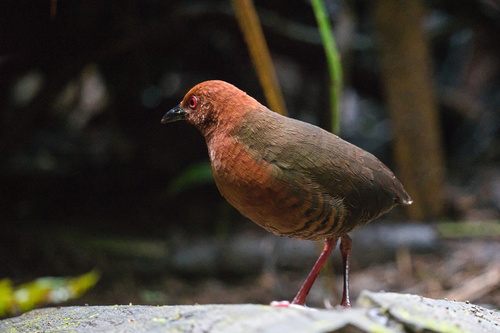
Kastanjekopral (Anurolimnas castaneiceps) Kastanjekopral
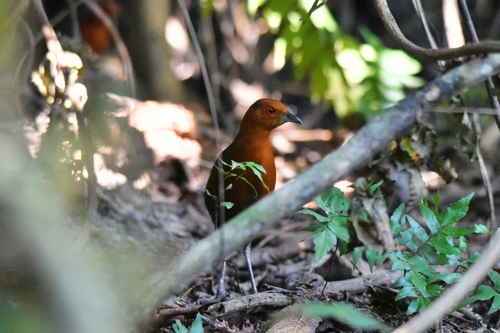
Zwartbandral (Rufirallus fasciatus) Zwartbandral

Media

Laden…

Kort gezegd

De Kastanjekopral en Zwartbandral zijn te onderscheiden aan hun verenkleed: de Kastanjekopral heeft een kastanjekleurig hoofd, terwijl de Zwartbandral brede zwarte banden op zijn flanken en buik heeft. Bovendien is de voorkeur van de Zwartbandral voor hoge natte graslanden of moerassige vegetatie nabij rivieren een belangrijk verschil.

Herkenningstips

Let op het kastanjekleurige hoofd van de Kastanjekopral versus de zwartgebande flanken en buik van de Zwartbandral. Let op de habitat: Zwartbandralen zijn vaak nabij rivieren in hoge natte graslanden of moerassige gebieden.

Verenkleed

De Kastanjekopral heeft een kastanjekleurig hoofd, terwijl de Zwartbandral een roestkleurig hoofd en onderdelen heeft met brede zwarte banden op de flanken en buik.

Habitat

De Zwartbandral wordt aangetroffen in hoge natte graslanden of moerassige vegetatie vaak dicht bij rivieren, terwijl specifieke habitatdetails voor de Kastanjekopral niet zijn verstrekt.

Stuur een betere beschrijving

Gebruik dezelfde onderdelen als de vergelijking. Je tekst staat meteen live.

The Chestnut-headed Crake and Black-banded Crake can be distinguished by their plumage: the Chestnut-headed Crake has a chestnut head, while the Black-banded Crake features broad black bars on its flanks and belly. Additionally, the Black-banded Crake's habitat preference for tall wet grass or marshy vegetation near rivers is a key difference.

Look for the chestnut head of the Chestnut-headed Crake versus the black-barred flanks and belly of the Black-banded Crake. Note the habitat: Black-banded Crakes are often near rivers in tall wet grass or marshy areas.

The Chestnut-headed Crake has a chestnut-colored head, whereas the Black-banded Crake has rufous head and underparts with broad black bars on the flanks and belly.

The Black-banded Crake is found in tall wet grass or marshy vegetation often close to rivers, while specific habitat details for the Chestnut-headed Crake are not provided.

Wijzigingen weggooien?

Je hebt niet-opgeslagen wijzigingen. Als je nu weggaat, gaan die verloren.

Kastanjekopral · Zwartbandral · Mijn lastige vogels