
Chestnut-headed Crake vs Black-banded Crake
Anurolimnas castaneiceps versus Rufirallus fasciatus
Play a quiz with Chestnut-headed Crake and Black-banded Crake
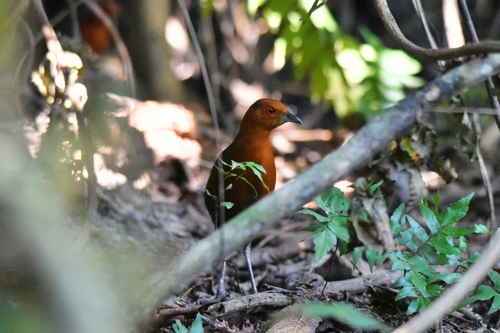 Chestnut-headed Crake
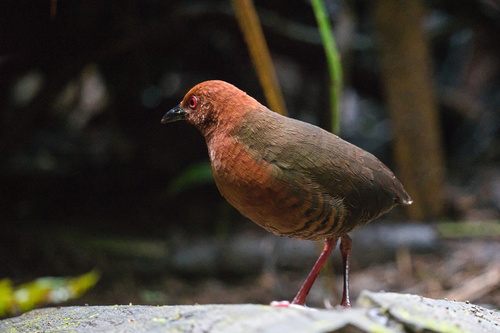 Black-banded Crake
In short
The Chestnut-headed Crake and Black-banded Crake can be distinguished by their plumage: the Chestnut-headed Crake has a chestnut head, while the Black-banded Crake features broad black bars on its flanks and belly. Additionally, the Black-banded Crake's habitat preference for tall wet grass or marshy vegetation near rivers is a key difference.
Identification tips
Look for the chestnut head of the Chestnut-headed Crake versus the black-barred flanks and belly of the Black-banded Crake. Note the habitat: Black-banded Crakes are often near rivers in tall wet grass or marshy areas.
Plumage
The Chestnut-headed Crake has a chestnut-colored head, whereas the Black-banded Crake has rufous head and underparts with broad black bars on the flanks and belly.
Habitat
The Black-banded Crake is found in tall wet grass or marshy vegetation often close to rivers, while specific habitat details for the Chestnut-headed Crake are not provided.
Chestnut-headed Crake · Black-banded Crake · My Tricky Birds