
Watersnip vs Zwaluwstaartkoningstiran
Gallinago gallinago versus Tyrannus forficatus
Speel een quiz met Watersnip en Zwaluwstaartkoningstiran
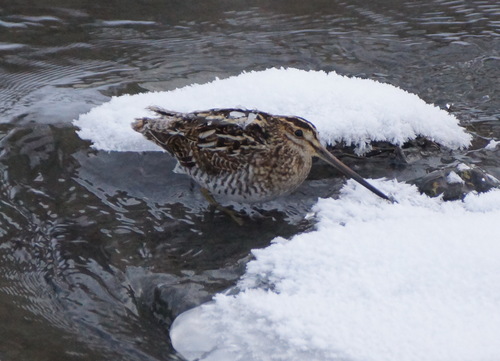 Watersnip
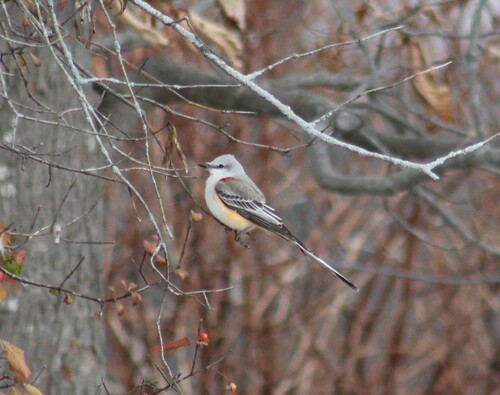 Zwaluwstaartkoningstiran
Kort gezegd
De Watersnip en Zwaluwstaartkoningstiran zijn gemakkelijk te onderscheiden aan hun staartkenmerken en algehele uiterlijk. De Watersnip heeft een kort, stevig lichaam met een lange, rechte snavel en cryptisch bruin verenkleed, terwijl de Zwaluwstaartkoningstiran bekend staat om zijn dramatisch verlengde staartveren en slank, contrasterend verenkleed.
Herkenningstips
Staartveren: De Zwaluwstaartkoningstiran heeft lange, gevorkte staartveren, in tegenstelling tot de korte staart van de Watersnip. Snavel: De Watersnip heeft een lange, rechte snavel, terwijl de Zwaluwstaartkoningstiran een kortere, meer typische vliegenvanger-snavel heeft. Verenkleed: Let op de cryptisch bruine patronen van de Watersnip versus het contrasterende grijs en zalmroze van de Zwaluwstaartkoningstiran.
Grootte
De Zwaluwstaartkoningstiran is over het algemeen groter en slanker dan de compacte en stevige Watersnip.
Verenkleed
De Watersnip heeft cryptisch bruin verenkleed met ingewikkelde patronen voor camouflage, terwijl de Zwaluwstaartkoningstiran een opvallend contrast toont van grijs, wit en zalmroze met lange, gevorkte staartveren.
Gedrag
De Watersnip wordt vaak aangetroffen terwijl hij in modder of zachte grond zoekt naar ongewervelden, terwijl de Zwaluwstaartkoningstiran meestal wordt gezien zittend op draden of hekken, waarbij hij naar buiten springt om insecten in de vlucht te vangen.
Habitat
Watersnips worden meestal aangetroffen in wetlands, moerassen en modderige velden, terwijl Zwaluwstaartkoningstirans de voorkeur geven aan open land, graslanden en gebieden met verspreide bomen.