
Roodkeelstrandloper vs Bonte strandloper
Calidris ruficollis versus Calidris alpina
Speel een quiz met Roodkeelstrandloper en Bonte strandloper
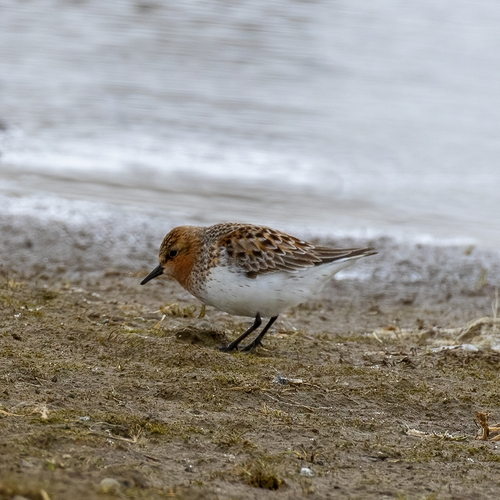 Roodkeelstrandloper
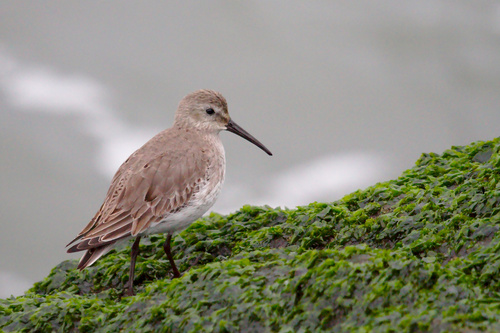 Bonte strandloper
Kort gezegd
Het meest betrouwbare veldkenmerk om de Roodkeelstrandloper van de Bonte strandloper te onderscheiden, is het verenkleed: de Roodkeelstrandloper heeft een kenmerkende rode nek en gezicht tijdens het broedseizoen, terwijl de Bonte strandloper een zwarte buikvlek en roestbruine rug heeft. Beide soorten zijn kleine strandvogels, maar de Bonte strandloper is over het algemeen groter en robuuster dan de Roodkeelstrandloper.
Herkenningstips
- Zoek naar de rode nek en het gezicht van de Roodkeelstrandloper tijdens het broedseizoen. 2. Identificeer de Bonte strandloper aan de hand van de zwarte buikvlek en roestbruine rug. 3. Let op de grootte: Bonte strandlopers zijn groter en robuuster dan Roodkeelstrandlopers. 4. Observeer het habitat: Bonte strandlopers zijn vaak in grote estuaria, terwijl Roodkeelstrandlopers migreren naar Australazië en Zuidoost-Azië.
Grootte
De Bonte strandloper is over het algemeen groter en robuuster in vergelijking met de kleinere Roodkeelstrandloper.
Verenkleed
De Roodkeelstrandloper heeft een rode nek en gezicht tijdens het broedseizoen, terwijl de Bonte strandloper wordt gekenmerkt door een zwarte buikvlek en roestbruine rug. In het niet-broedkleed is de Bonte strandloper grijs en onopvallend.
Habitat
De Bonte strandloper wordt typisch aangetroffen in grote estuaria en kustgebieden tijdens de winter, terwijl de Roodkeelstrandloper migreert naar niet-broedgebieden in Australazië en Zuidoost-Azië.
Roodkeelstrandloper · Bonte strandloper · Mijn lastige vogels