Birdr

Red-necked Stint vs Dunlin

Calidris ruficollis versus Calidris alpina

Play a quiz with Red-necked Stint and Dunlin
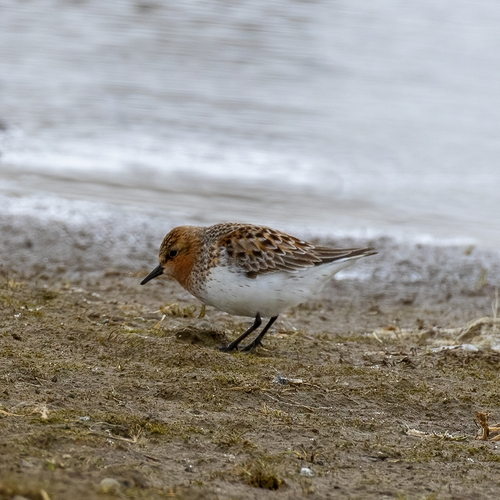
Red-necked Stint (Calidris ruficollis) Red-necked Stint
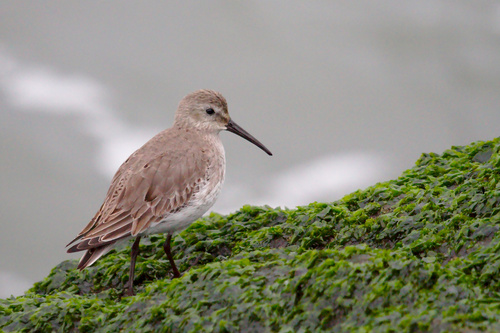
Dunlin (Calidris alpina) Dunlin

Media

Loading…

In short

The most reliable field mark to distinguish the Red-necked Stint from the Dunlin is the plumage: the Red-necked Stint has a distinctive red neck and face during the breeding season, while the Dunlin features a black belly patch and rufous back. Both species are small shorebirds, but the Dunlin is generally larger and more robust than the Red-necked Stint.

Identification tips

  1. Look for the red neck and face in the Red-necked Stint during the breeding season. 2. Identify the Dunlin by its black belly patch and rufous back. 3. Consider size: Dunlins are larger and more robust than Red-necked Stints. 4. Observe habitat: Dunlins are often in large estuaries, while Red-necked Stints migrate to Australasia and Southeast Asia.

Size

The Dunlin is generally larger and more robust compared to the smaller Red-necked Stint.

Plumage

The Red-necked Stint has a red neck and face during the breeding season, whereas the Dunlin is characterized by a black belly patch and rufous back. In non-breeding plumage, the Dunlin is gray and nondescript.

Habitat

The Dunlin is typically found in large estuaries and coastal areas during winter, while the Red-necked Stint migrates to nonbreeding grounds in Australasia and Southeast Asia.

Submit a better description

Use the same sections as the comparison. Your text is published immediately.

The most reliable field mark to distinguish the Red-necked Stint from the Dunlin is the plumage: the Red-necked Stint has a distinctive red neck and face during the breeding season, while the Dunlin features a black belly patch and rufous back. Both species are small shorebirds, but the Dunlin is generally larger and more robust than the Red-necked Stint.

  1. Look for the red neck and face in the Red-necked Stint during the breeding season. 2. Identify the Dunlin by its black belly patch and rufous back. 3. Consider size: Dunlins are larger and more robust than Red-necked Stints. 4. Observe habitat: Dunlins are often in large estuaries, while Red-necked Stints migrate to Australasia and Southeast Asia.

The Dunlin is generally larger and more robust compared to the smaller Red-necked Stint.

The Red-necked Stint has a red neck and face during the breeding season, whereas the Dunlin is characterized by a black belly patch and rufous back. In non-breeding plumage, the Dunlin is gray and nondescript.

The Dunlin is typically found in large estuaries and coastal areas during winter, while the Red-necked Stint migrates to nonbreeding grounds in Australasia and Southeast Asia.

Discard your changes?

You have unsaved edits. If you leave now, those changes will be lost.

Red-necked Stint · Dunlin · My Tricky Birds