
Rosse nachtzwaluw vs Rookbruine gierzwaluw
Antrostomus rufus versus Cypseloides fumigatus
Speel een quiz met Rosse nachtzwaluw en Rookbruine gierzwaluw
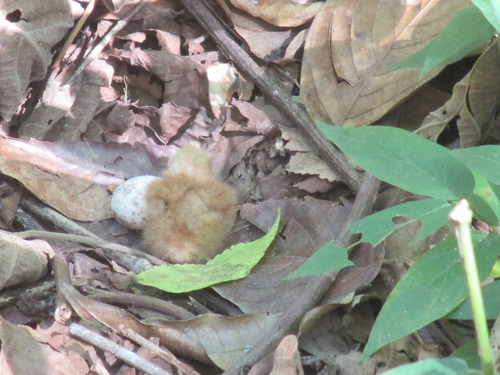 Rosse nachtzwaluw
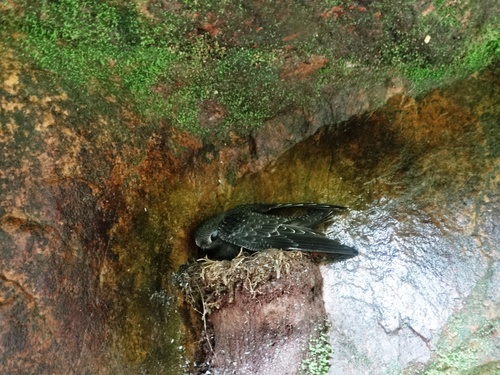 Rookbruine gierzwaluw
Kort gezegd
De Rosse nachtzwaluw en Rookbruine gierzwaluw zijn verschillend in zowel structuur als gedrag. De Rosse nachtzwaluw is een nachtzwaluw met een brede, platte kop en cryptische verenkleed, terwijl de Rookbruine gierzwaluw een gierzwaluw is met een gestroomlijnd lichaam en lange vleugels, aangepast voor snelle vlucht. Hun habitats en gedragingen onderscheiden hen verder.
Herkenningstips
1. Structuur: Let op de brede, platte kop en het cryptische verenkleed van de Rosse nachtzwaluw versus het gestroomlijnde lichaam en de lange vleugels van de Rookbruine gierzwaluw. 2. Gedrag: Let op het nachtelijke grondrustgedrag van de Rosse nachtzwaluw in vergelijking met de luchtige, snelvliegende gewoonten van de Rookbruine gierzwaluw. 3. Habitat: Overweeg de grondniveau bosomgeving van de Rosse nachtzwaluw tegenover de open luchthabitat van de Rookbruine gierzwaluw.
Grootte
De Rosse nachtzwaluw is over het algemeen groter en robuuster dan de Rookbruine gierzwaluw, die kleiner en gestroomlijnder is.
Verenkleed
De Rosse nachtzwaluw heeft een cryptisch, roestkleurig verenkleed dat zich mengt met bladeren, terwijl de Rookbruine gierzwaluw uniform roetachtig of donkergrijs is, zonder de ingewikkelde patronen van de nachtzwaluw.
Gedrag
De Rosse nachtzwaluw is nachtactief, vaak te zien rustend op de grond gedurende de dag, terwijl de Rookbruine gierzwaluw dagactief is en het grootste deel van zijn tijd in de lucht doorbrengt, zelden zit.
Habitat
De Rosse nachtzwaluw wordt aangetroffen in bossen en bosgebieden, vaak dicht bij de grond, terwijl de Rookbruine gierzwaluw typisch wordt aangetroffen in open luchten boven bossen en kliffen.
Rosse nachtzwaluw · Rookbruine gierzwaluw · Mijn lastige vogels