
joão-corta-pau vs taperuçu-preto
Antrostomus rufus versus Cypseloides fumigatus
Jogue um quiz com joão-corta-pau e taperuçu-preto
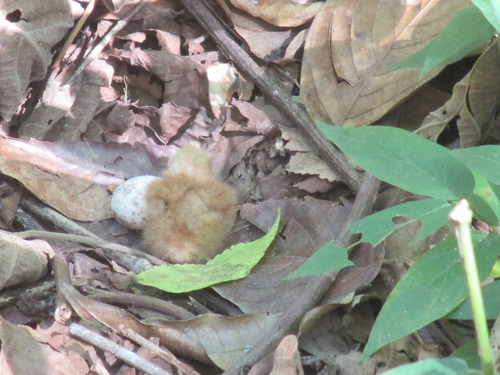 joão-corta-pau
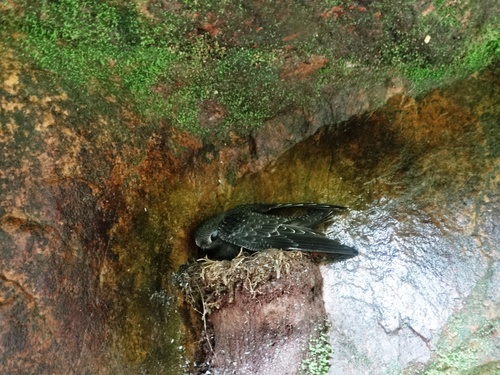 taperuçu-preto
Em resumo
O joão-corta-pau e o taperuçu-preto são distintos tanto em estrutura quanto em comportamento. O joão-corta-pau é um noiteiro com uma cabeça larga e plana e plumagem críptica, enquanto o taperuçu-preto é um andorinhão com um corpo aerodinâmico e asas longas, adaptadas para voos rápidos. Seus habitats e comportamentos os diferenciam ainda mais.
Dicas de identificação
1. Estrutura: Procure pela cabeça larga e plana e plumagem críptica do joão-corta-pau em comparação com o corpo aerodinâmico e asas longas do taperuçu-preto. 2. Comportamento: Note o comportamento noturno de descanso no chão do joão-corta-pau em comparação com os hábitos aéreos e de voo rápido do taperuçu-preto. 3. Habitat: Considere o habitat florestal próximo ao solo do joão-corta-pau em contraste com o habitat de céu aberto do taperuçu-preto.
Tamanho
O joão-corta-pau é geralmente maior e mais robusto do que o taperuçu-preto, que é menor e mais aerodinâmico.
Plumagem
O joão-corta-pau tem plumagem críptica de tom rufo que se mistura com a littera de folhas, enquanto o taperuçu-preto é uniformemente escuro ou cinza-escuro, sem os padrões intrincados do noiteiro.
Comportamento
O joão-corta-pau é noturno, frequentemente visto descansando no chão durante o dia, enquanto o taperuçu-preto é diurno e passa a maior parte do tempo no ar, raramente pousando.
Habitat
O joão-corta-pau é encontrado em florestas e áreas de matas, frequentemente próximo ao solo, enquanto o taperuçu-preto é tipicamente encontrado em céus abertos acima de florestas e penhascos.