
Mantsjoerijse woudaap vs Afrikaanse woudaap
Botaurus eurhythmus versus Botaurus sturmii
Speel een quiz met Mantsjoerijse woudaap en Afrikaanse woudaap
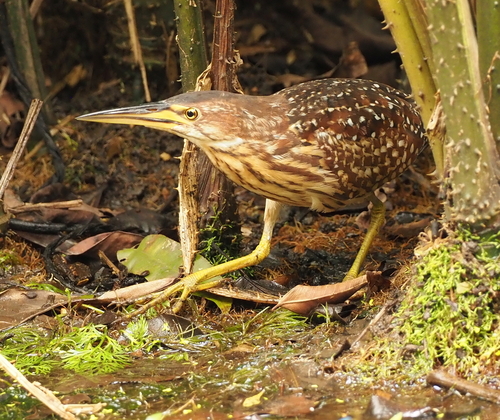 Mantsjoerijse woudaap
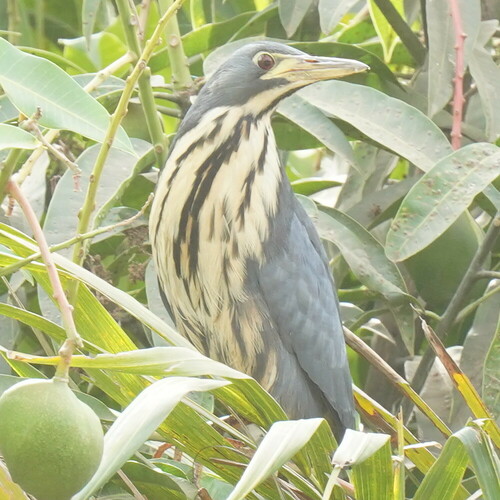 Afrikaanse woudaap
Kort gezegd
Mantsjoerijse woudaap en Afrikaanse woudaap kunnen voornamelijk worden onderscheiden op basis van hun habitatvoorkeuren en geografische verspreiding. Mantsjoerijse woudaap wordt over het algemeen in Oost-Azië aangetroffen, terwijl Afrikaanse woudaap in sub-Sahara Afrika voorkomt. In het veld moet je je richten op deze verschillen in habitat en verspreiding voor betrouwbare identificatie.
Herkenningstips
Habitat en Verspreiding: Mantsjoerijse woudaap wordt in Oost-Azië aangetroffen, terwijl Afrikaanse woudaap in sub-Sahara Afrika voorkomt. Gebruik de geografische locatie als een primaire aanwijzing voor identificatie.
Habitat
Mantsjoerijse woudaap wordt typisch aangetroffen in Oost-Aziatische wetlands, terwijl de Afrikaanse woudaap sub-Sahara Afrikaanse gebieden bewoont, vaak in drogere omgevingen.
Mantsjoerijse woudaap · Afrikaanse woudaap · Mijn lastige vogels