
arara-canindé vs mariquita-de-barrete-preto
Ara ararauna versus Cardellina pusilla
Jogue um quiz com arara-canindé e mariquita-de-barrete-preto
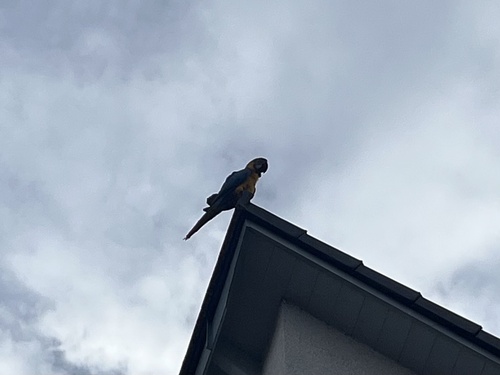 arara-canindé
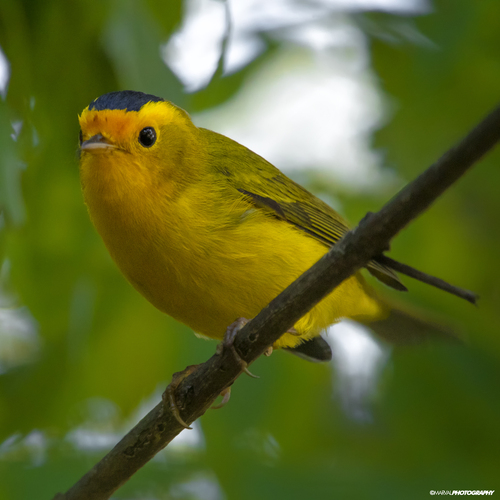 mariquita-de-barrete-preto
Em resumo
A arara-canindé é um grande e vibrante papagaio com uma impressionante coloração azul e amarela, enquanto a mariquita-de-barrete-preto é um pequeno e ativo pássaro cantor com um padrão de cores brilhantes simples e um distinto boné preto. Essas espécies são facilmente distinguidas pelo tamanho, preferência de habitat e comportamento.
Dicas de identificação
Tamanho e habitat são os indicadores mais confiáveis: procure um grande papagaio em florestas tropicais para a arara, e uma pequena mariquita em habitats arbustivos e úmidos para a mariquita-de-barrete-preto. Observe o vibrante plumagem azul e amarela da arara em contraste com o boné preto e o padrão de cores brilhantes da mariquita.
Tamanho
A arara-canindé é significativamente maior que a mariquita-de-barrete-preto, com uma construção robusta típica das araras, enquanto a mariquita-de-barrete-preto é um pequeno e delicado pássaro cantor.
Plumagem
A arara-canindé apresenta um dorso e asas azuis brilhantes com uma parte inferior amarela, enquanto a mariquita-de-barrete-preto tem um padrão de cores brilhantes simples com um distinto boné preto.
Comportamento
A mariquita-de-barrete-preto é conhecida por seu característico movimento de balançar a cauda e por darting ativo através da vegetação, contrastando com os movimentos mais deliberados da arara.
Habitat
As araras-canindé são tipicamente encontradas em florestas tropicais, enquanto a mariquita-de-barrete-preto frequenta salgueiros arbustivos e vegetação rasteira em habitats ripários ou prados úmidos.
arara-canindé · mariquita-de-barrete-preto · Minhas aves difíceis