
blue-gray gnatcatcher vs black-tailed gnatcatcher
Polioptila caerulea versus Polioptila melanura
Jogue um quiz com blue-gray gnatcatcher e black-tailed gnatcatcher
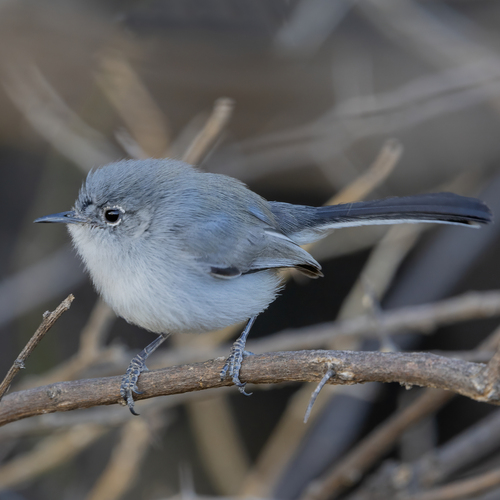 blue-gray gnatcatcher
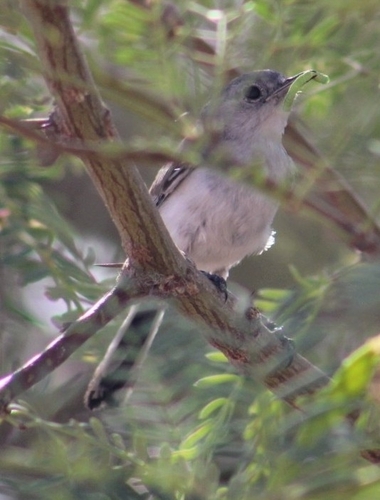 black-tailed gnatcatcher
Em resumo
O blue-gray gnatcatcher e o black-tailed gnatcatcher podem ser distinguidos por suas marcas na cauda e preferências de habitat. O blue-gray gnatcatcher é mais amplamente distribuído e migratório, enquanto o black-tailed gnatcatcher é residente do Deserto do Sudoeste.
Dicas de identificação
Marcas na cauda: Procure pela cauda preta do black-tailed gnatcatcher, que é uma característica distintiva chave. Habitat: Considere o ambiente; o blue-gray gnatcatcher é mais provável de ser encontrado em áreas úmidas com árvores de folhas largas, enquanto o black-tailed gnatcatcher é encontrado em arbustos espinhosos do deserto.
Plumagem
O blue-gray gnatcatcher geralmente tem uma coloração azul-acinzentada com um padrão de cauda mais uniforme, enquanto o black-tailed gnatcatcher é distinguido por sua cauda preta, que frequentemente balança de lado a lado.
Comportamento
Ambas as espécies são alimentadoras ativas, mas o black-tailed gnatcatcher é conhecido por seu comportamento de balançar a cauda.
Habitat
O blue-gray gnatcatcher prefere áreas úmidas com árvores de folhas largas e é encontrado em uma ampla gama, incluindo regiões temperadas mais frias. Em contraste, o black-tailed gnatcatcher é comumente encontrado em arbustos espinhosos densos e matas do Deserto do Sudoeste.
Voz
O blue-gray gnatcatcher tem chamados agudos e nasais, enquanto o black-tailed gnatcatcher é conhecido por seu chamado 'zhee-zhee-zhee'.
blue-gray gnatcatcher · black-tailed gnatcatcher · Minhas aves difíceis