
guincho-americano vs gaivota-de-franklin
Chroicocephalus philadelphia versus Leucophaeus pipixcan
Jogue um quiz com guincho-americano e gaivota-de-franklin
 guincho-americano
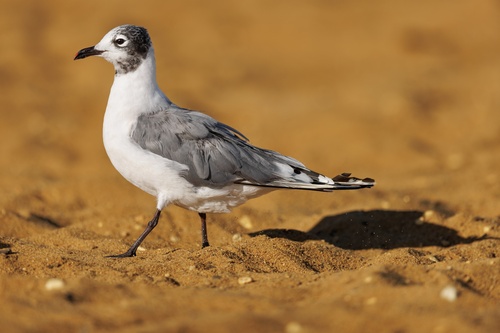 gaivota-de-franklin
Em resumo
O guincho-americano e a gaivota-de-franklin podem ser distinguidos por seus hábitos de nidificação e habitats preferidos. O guincho-americano é único por nidificar em árvores, enquanto a gaivota-de-franklin nidifica em pântanos. Ambos têm um voo leve, mas seus ambientes de reprodução são identificadores chave.
Dicas de identificação
Localização do ninho é um identificador chave: o guincho-americano nidifica em árvores, enquanto a gaivota-de-franklin nidifica em pântanos. Observe o habitat: o guincho-americano prefere áreas arborizadas, a gaivota-de-franklin prefere pântanos. Durante a migração, o guincho-americano pode ser visto em grandes bandos ao longo das costas, enquanto a gaivota-de-franklin segue atividades agrícolas.
Comportamento
O guincho-americano é conhecido por seu ninho solitário ou colonial frouxo em árvores, enquanto a gaivota-de-franklin nidifica em grandes colônias em pântanos. O guincho-americano tem um voo semelhante ao de uma andorinha e frequentemente se alimenta mergulhando na superfície, enquanto a gaivota-de-franklin segue a atividade agrícola para se alimentar de insetos e outras pequenas presas.
Habitat
O guincho-americano se reproduz em florestas boreais e taiga remotas, frequentemente nidificando em árvores, enquanto a gaivota-de-franklin se reproduz em pântanos de pradaria. O guincho-americano é mais provável de ser encontrado em áreas costeiras durante o inverno, enquanto a gaivota-de-franklin migra para a América do Sul.
guincho-americano · gaivota-de-franklin · Minhas aves difíceis