Birdr

debulhador vs bicknell's thrush

Toxostoma rufum versus Catharus bicknelli

Jogue um quiz com debulhador e bicknell's thrush
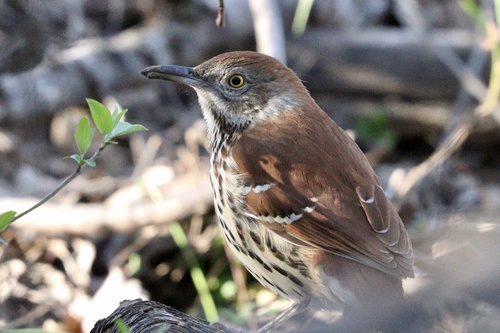
debulhador (Toxostoma rufum) debulhador
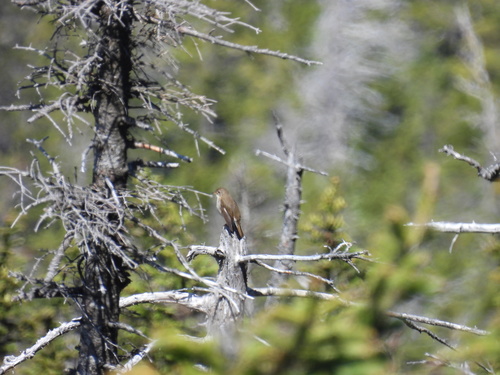
bicknell's thrush (Catharus bicknelli) bicknell's thrush

Mídia

Carregando…

Em resumo

O debulhador e o bicknell's thrush podem ser distinguidos por sua estrutura e preferências de habitat. O debulhador é maior, com um bico longo e levemente curvado e pernas robustas, enquanto o bicknell's thrush é menor e mais adaptado a florestas de abetos em alta altitude. Suas vocalizações e comportamentos também diferem significativamente.

Dicas de identificação

1. Procure pelo tamanho maior e bico longo e levemente curvado do debulhador. 2. Observe o habitat: debulhadores estão em arbustos de baixa altitude, enquanto bicknell's thrushes estão em florestas de abetos em alta altitude. 3. Ouça a canção complexa do debulhador, que é mais variada do que a do bicknell's thrush.

Tamanho

O debulhador é maior e com uma construção mais robusta em comparação ao menor bicknell's thrush.

Comportamento

Debulhadores são forrageadores no chão com uma tendência a se esconder em vegetação densa, enquanto o bicknell's thrush é mais provável de ser encontrado em habitats perturbados ou em alta altitude.

Habitat

Debulhadores habitam arbustos e cercas em clareiras e bordas de florestas decíduas, principalmente no leste dos Estados Unidos. O bicknell's thrush prefere florestas de abetos em alta altitude e habitats perturbados.

Voz

O debulhador é um cantor notável com um dos maiores repertórios entre os passeriformes da América do Norte, enquanto o bicknell's thrush possui características vocais distintas que diferem de seus parentes próximos.

Enviar uma descrição melhor

Use as mesmas seções da comparação. Seu texto é publicado na hora.

The Brown Thrasher and Bicknell's Thrush can be distinguished by their structure and habitat preferences. The Brown Thrasher is larger with a long, slightly curved bill and heavy legs, while Bicknell's Thrush is smaller and more adapted to high-elevation spruce-fir forests. Their vocalizations and behaviors also differ significantly.

1. Look for the larger size and long, slightly curved bill of the Brown Thrasher. 2. Note the habitat: Brown Thrashers are in lowland thickets, while Bicknell's Thrushes are in high-elevation spruce-fir forests. 3. Listen for the complex song of the Brown Thrasher, which is more varied than that of Bicknell's Thrush.

Brown Thrasher is larger with a more robust build compared to the smaller Bicknell's Thrush.

Brown Thrashers are ground foragers with a tendency to skulk in dense brush, while Bicknell's Thrush is more likely to be found in disturbed or high-elevation habitats.

Brown Thrashers inhabit thickets and hedgerows in deciduous forest clearings and edges, primarily in the eastern United States. Bicknell's Thrush prefers high-elevation spruce-fir forests and disturbed habitats.

Brown Thrasher is a remarkable singer with one of the largest repertoires among North American passerines, whereas Bicknell's Thrush has distinct vocal characteristics that differ from its close relatives.

Descartar as alterações?

Você tem edições não salvas. Se sair agora, elas serão perdidas.

debulhador · bicknell's thrush · Minhas aves difíceis