
mariquita-de-flancos-castanhos vs mariquita-de-barrete-castanho
Setophaga pensylvanica versus Setophaga palmarum
Jogue um quiz com mariquita-de-flancos-castanhos e mariquita-de-barrete-castanho
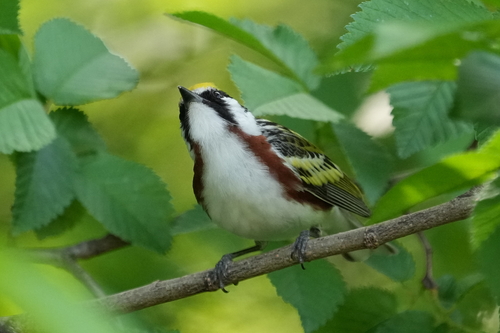 mariquita-de-flancos-castanhos
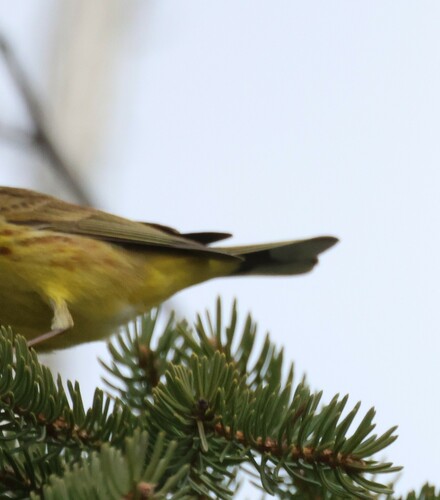 mariquita-de-barrete-castanho
Em resumo
A mariquita-de-flancos-castanhos é melhor identificada por suas distintas flancos castanhos e boné amarelo brilhante, enquanto a mariquita-de-barrete-castanho é notável por seu constante movimento de cauda e falta de coloração castanha. Ambas as espécies são pequenas mariquitas, mas seus comportamentos e plumagens fornecem diferenças chave.
Dicas de identificação
Procure pelos flancos castanhos e boné amarelo da mariquita-de-flancos-castanhos. Observe o comportamento de movimento de cauda na mariquita-de-barrete-castanho, que é uma pista comportamental confiável. Note a ausência de coloração castanha na mariquita-de-barrete-castanho.
Plumagem
A mariquita-de-flancos-castanhos apresenta flancos castanhos e um boné amarelo brilhante, que estão ausentes na mariquita-de-barrete-castanho. A mariquita-de-barrete-castanho não possui a coloração castanha e, em vez disso, pode mostrar um tom mais uniforme acastanhado ou oliva com um subcauda amarelo.
Comportamento
A mariquita-de-barrete-castanho é conhecida por seu constante movimento de cauda, um comportamento não observado na mariquita-de-flancos-castanhos.
Voz
A mariquita-de-flancos-castanhos tem duas classes de canções distintas, incluindo a famosa canção 'please, please, pleased to meetcha', que não é mencionada para a mariquita-de-barrete-castanho.
mariquita-de-flancos-castanhos · mariquita-de-barrete-castanho · Minhas aves difíceis