Birdr

bacurau vs joão-corta-pau

Nyctidromus albicollis versus Antrostomus rufus

Jogue um quiz com bacurau e joão-corta-pau
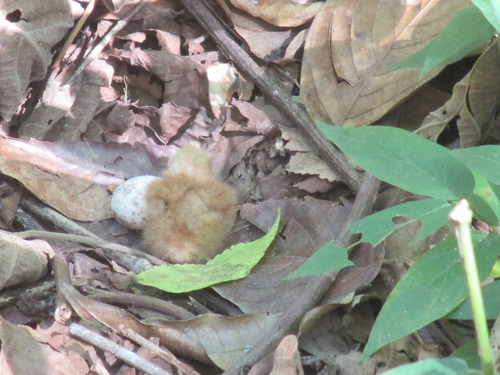
bacurau (Nyctidromus albicollis) bacurau
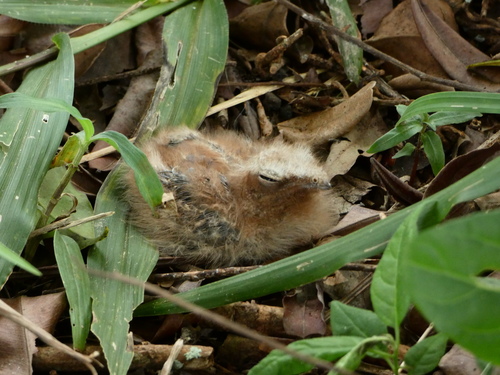
joão-corta-pau (Antrostomus rufus) joão-corta-pau

Mídia

Carregando…

Em resumo

O bacurau e o joão-corta-pau podem ser distinguidos pelos padrões de suas asas e caudas. O bacurau tem asas truncadas e arredondadas com uma faixa branca distinta nas primárias e uma cauda longa e arredondada com substancial branco nas rectrizes. Em contraste, o joão-corta-pau não possui essas marcas brancas proeminentes.

Dicas de identificação

Procure pela faixa branca nas primárias e substancial branco na cauda para identificar o bacurau. O joão-corta-pau não terá essas marcas brancas e aparecerá mais uniformemente rufo.

Plumagem

O bacurau apresenta um padrão intrincado de marrons, buff, cinzas e pretos, com uma notável faixa branca nas asas e branco na cauda. O joão-corta-pau, no entanto, não possui essas marcas brancas e é mais uniformemente rufo em coloração.

Comportamento

O bacurau é particularmente crepuscular e terrestre, frequentemente visto forrageando no chão.

Voz

A canção do bacurau é um distinto 'hip-hip hip-hip hip-hip-hooray', um som essencial das terras baixas tropicais. Não há vocalização específica anotada para o joão-corta-pau nas notas fornecidas.

Enviar uma descrição melhor

Use as mesmas seções da comparação. Seu texto é publicado na hora.

The Common Pauraque and Rufous Nightjar can be distinguished by their wing and tail patterns. The Pauraque has blunt, rounded wings with a distinctive white band across the primaries and a long, rounded tail with substantial white in the rectrices. In contrast, the Rufous Nightjar lacks these prominent white markings.

Look for the white band across the primaries and substantial white in the tail to identify the Common Pauraque. The Rufous Nightjar will lack these white markings and appear more uniformly rufous.

The Common Pauraque features an intricate pattern of browns, buffs, grays, and blacks, with a notable white band on the wings and white in the tail. The Rufous Nightjar, however, does not have these white markings and is more uniformly rufous in coloration.

The Common Pauraque is particularly crepuscular and terrestrial, often seen foraging on the ground.

The Common Pauraque's song is a distinctive breezy 'hip-hip hip-hip hip-hip-hooray', a quintessential sound of the tropical lowlands. There is no specific vocalization noted for the Rufous Nightjar in the provided notes.

Descartar as alterações?

Você tem edições não salvas. Se sair agora, elas serão perdidas.

bacurau · joão-corta-pau · Minhas aves difíceis