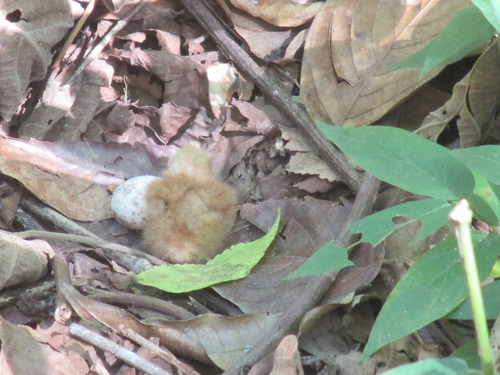
Common Pauraque vs Rufous Nightjar
Nyctidromus albicollis versus Antrostomus rufus
Play a quiz with Common Pauraque and Rufous Nightjar
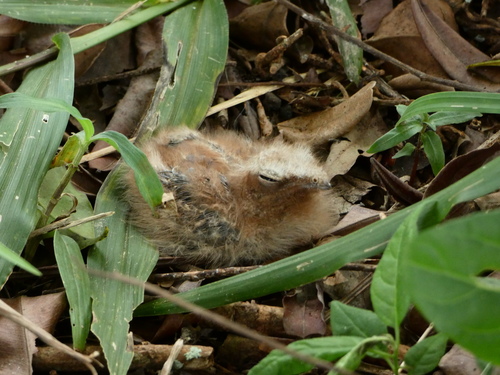
Common Pauraque
Rufous Nightjar
In short
The Common Pauraque and Rufous Nightjar are both nightjars, but they can be distinguished by their structure and plumage. The Common Pauraque has a long, rounded tail with substantial white in the rectrices, while the Rufous Nightjar is more uniformly rufous-toned. Both species are crepuscular and terrestrial, but their vocalizations differ significantly.
Identification tips
- Look for the white band across the primaries and white in the tail of the Common Pauraque. 2. Note the uniform rufous tone of the Rufous Nightjar. 3. Listen for the Common Pauraque's unique song, especially in the evening or early morning. 4. Observe behavior; both are ground foragers, but the Pauraque is often more vocal and conspicuous.
Size
Both species are similar in size, typical of medium-sized nightjars.
Plumage
The Common Pauraque features a complex pattern of browns, buffs, grays, and blacks with a distinctive white band across the primaries and a long, rounded tail with white in the rectrices. In contrast, the Rufous Nightjar is more uniformly rufous-toned, lacking the prominent white markings seen in the Pauraque.
Behaviour
Both species are crepuscular and terrestrial, often seen foraging on the ground. The Common Pauraque is known for its more conspicuous presence due to its vocalizations.
Habitat
The Common Pauraque is widespread across tropical lowlands of Central and South America, while the Rufous Nightjar is found in southern Central America, St. Lucia, and much of northern and eastern South America, east of the Andes.
Voice
The Common Pauraque is known for its distinctive 'hip-hip-hip-hip-hooray' song, a quintessential sound of tropical lowlands. The Rufous Nightjar's vocalizations are less documented but do not match the Pauraque's distinctive calls.