
chasco-ruivo-oriental vs chasco-malhado
Oenanthe melanoleuca versus Oenanthe pleschanka
Jogue um quiz com chasco-ruivo-oriental e chasco-malhado
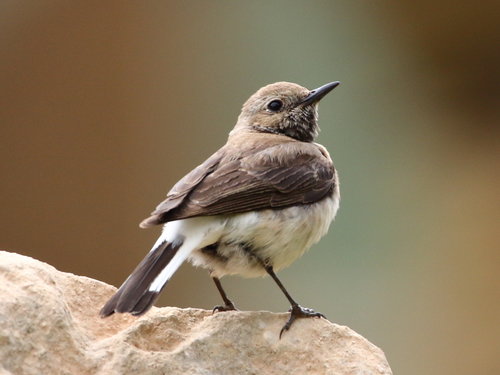 chasco-ruivo-oriental
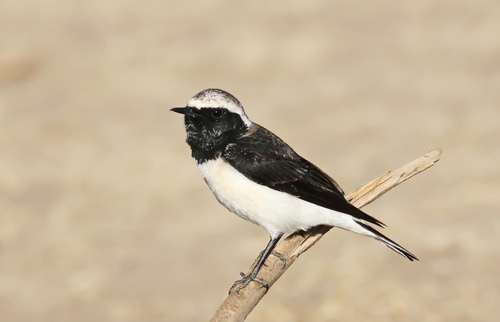 chasco-malhado
Em resumo
Para distinguir o chasco-ruivo-oriental do chasco-malhado, concentre-se no padrão facial e nas marcas da cauda. O chasco-ruivo-oriental geralmente tem uma máscara preta mais pronunciada que se estende do bico até o olho, enquanto o chasco-malhado frequentemente apresenta uma máscara menos extensa. Os padrões da cauda também podem ser uma pista, com diferenças sutis na quantidade de branco e preto.
Dicas de identificação
- Padrão facial: Procure uma máscara preta mais extensa no chasco-ruivo-oriental.
- Marcas da cauda: Diferenças sutis nos padrões da cauda, com variações na distribuição de branco e preto.
- Variações sazonais: Esteja ciente de possíveis mudanças na plumagem entre as estações.
Plumagem
O chasco-ruivo-oriental geralmente exibe uma máscara preta mais extensa em comparação com o chasco-malhado. Os padrões da cauda diferem ligeiramente, com variações na distribuição de branco e preto.
chasco-ruivo-oriental · chasco-malhado · Minhas aves difíceis