
tesourinha/tesourinha-do-norte vs andorinha-do-rio
Tyrannus savana versus Tachycineta albiventer
Jogue um quiz com tesourinha/tesourinha-do-norte e andorinha-do-rio
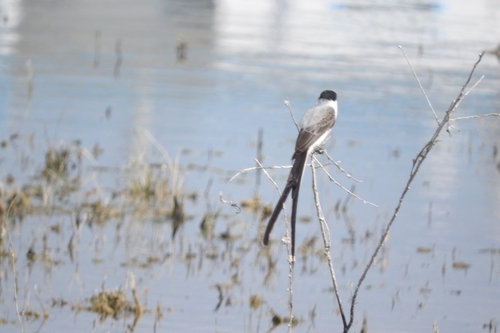 tesourinha/tesourinha-do-norte
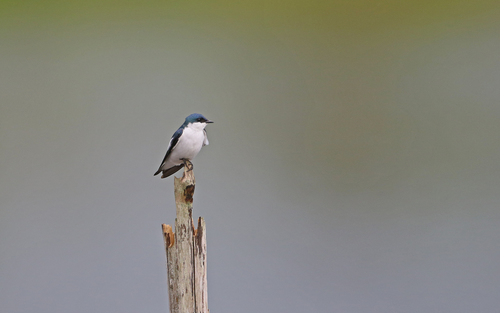 andorinha-do-rio
Em resumo
A tesourinha e a andorinha-do-rio podem ser distinguidas por suas formas de cauda e padrões de voo. A tesourinha tem uma cauda dramaticamente longa e bifurcada, enquanto a andorinha-do-rio tem uma cauda mais curta e quadrada. Observar seu comportamento de voo também pode ajudar; a tesourinha frequentemente pousa de forma conspícua, enquanto a andorinha é mais provável de ser vista em voo contínuo.
Dicas de identificação
Forma da Cauda: Procure pela cauda longa e profundamente bifurcada da tesourinha em comparação com a cauda mais curta e quadrada da andorinha-do-rio. Padrão de Voo: Note o comportamento de pouso mais estático da tesourinha em comparação com o voo contínuo da andorinha.
Plumagem
A tesourinha geralmente exibe uma touca preta contrastante e partes inferiores brancas, enquanto a andorinha-do-rio é caracterizada por suas partes inferiores brancas e manchas brancas distintas nas asas visíveis em voo.
Comportamento
As tesourinhas são frequentemente vistas pousadas em galhos ou fios expostos, saindo para pegar insetos. Em contraste, as andorinhas-do-rio são mais aéreas, frequentemente vistas voando sobre água ou áreas abertas.
tesourinha/tesourinha-do-norte · andorinha-do-rio · Minhas aves difíceis