Fork-tailed Flycatcher vs White-winged Swallow
Tyrannus savana versus Tachycineta albiventer
Play a quiz with Fork-tailed Flycatcher and White-winged Swallow
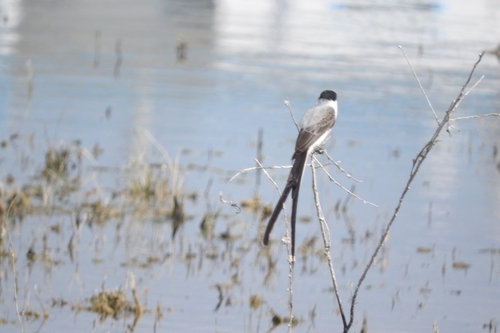
Fork-tailed Flycatcher
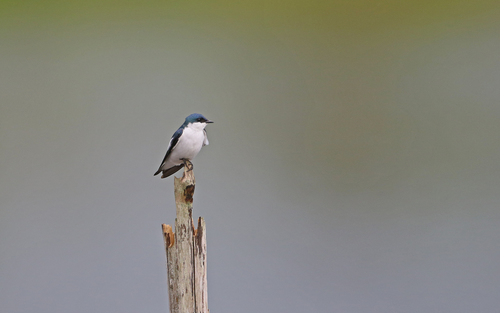
White-winged Swallow
In short
The Fork-tailed Flycatcher and White-winged Swallow are easily distinguished by their tail shapes and flight patterns. The Fork-tailed Flycatcher has a notably long, deeply forked tail, while the White-winged Swallow has a shorter, more squared tail. Observing their behavior and habitat can also aid in differentiation.
Identification tips
1. Tail Shape: Look for the long, deeply forked tail of the Fork-tailed Flycatcher. 2. Habitat: Consider the habitat; swallows are often near water. 3. Behavior: Note the perching behavior of the flycatcher versus the aerial foraging of the swallow. 4. Plumage: Check for the black cap of the flycatcher and the white wing patches of the swallow.
Size
The Fork-tailed Flycatcher is generally larger than the White-winged Swallow.
Plumage
The Fork-tailed Flycatcher has a striking black cap and white underparts with a long, forked tail. In contrast, the White-winged Swallow is mostly white below with a glossy blue-green upperparts and distinctive white wing patches.
Behaviour
Fork-tailed Flycatchers often perch conspicuously on wires or exposed branches, sallying out to catch insects. White-winged Swallows are more likely to be seen in flight, often skimming over water surfaces.
Habitat
Fork-tailed Flycatchers are typically found in open areas such as savannas and grasslands. White-winged Swallows are more associated with bodies of water, including rivers and lakes.
Voice
The Fork-tailed Flycatcher's calls are generally sharp and harsh, while the White-winged Swallow's vocalizations are softer and more twittering.
Fork-tailed Flycatcher · White-winged Swallow · My Tricky Birds