
green-backed camaroptera vs bar-throated apalis
Camaroptera brachyura versus Apalis thoracica
Jogue um quiz com green-backed camaroptera e bar-throated apalis
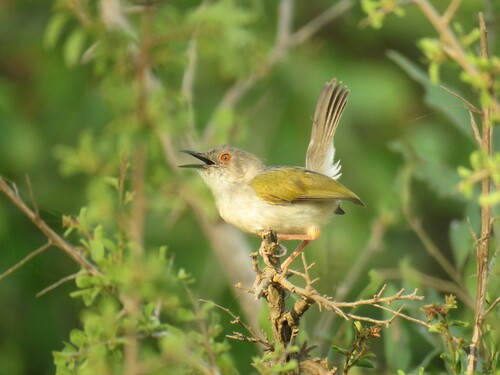 green-backed camaroptera
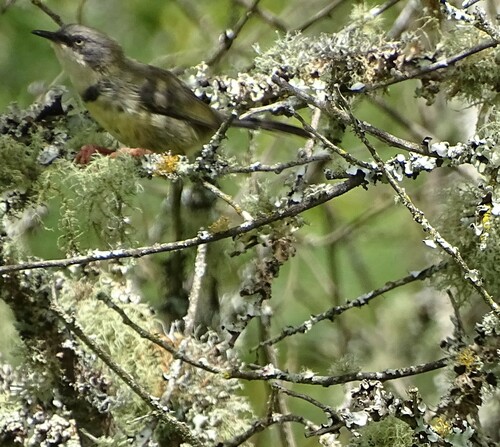 bar-throated apalis
Em resumo
A marca de campo mais confiável para separar green-backed camaroptera de bar-throated apalis é a presença de uma estreita faixa peitoral preta em todas as formas de bar-throated apalis, que está completamente ausente em green-backed camaroptera. Juvenis de Apalis podem mostrar uma faixa incompleta, mas mesmo assim, Camaroptera nunca mostra qualquer faixa peitoral escura em qualquer idade. A estrutura também ajuda: Camaroptera é um pássaro compacto, de cauda curta e verde-oliva, geralmente profundo na cobertura, enquanto Apalis é esbelto, com uma cauda notavelmente longa, e frequentemente mostra penas brancas na cauda externa. Ambos podem mostrar partes superiores verdes, mas Apalis também pode ser cinza por cima, dependendo da subespécie. A cor das partes inferiores e o padrão da cauda são fundamentais em vistas ambíguas.
Dicas de identificação
- Faixa peitoral (todas as idades): Bar-throated Apalis sempre mostra uma estreita faixa peitoral preta (embora incompleta em juvenis e mais estreita em fêmeas), enquanto green-backed camaroptera nunca mostra qualquer faixa peitoral. Esta é a marca mais confiável em todos os plumagens.
- Comprimento e padrão da cauda: Apalis tem uma cauda distintamente longa com penas externas brancas, frequentemente balançadas ou abertas, visíveis tanto em voo quanto quando empoleiradas. A cauda de Camaroptera é curta, arredondada e não tem branco; raramente é balançada.
- Cor das partes superiores: Ambos podem parecer verdes por cima, mas Apalis pode também ser cinza por cima dependendo da subespécie. Camaroptera é sempre verde-oliva.
- Cor das partes inferiores: Camaroptera tem partes inferiores cinza-esbranquiçadas; Apalis tem partes inferiores brancas ou amarelas pálidas, às vezes com um tom amarelado em juvenis.
- Formato do bico: Apalis tem um bico preto mais longo, esbelto e ligeiramente curvado; o bico de Camaroptera é mais curto e mais robusto.
- Cor dos olhos: Apalis tem um olho pálido, que pode se destacar em boa luz; a cor dos olhos de Camaroptera não é distintiva.
- Jizz e postura: Camaroptera parece compacta, de cauda curta e frequentemente curvada para baixo na cobertura. Apalis é mais esbelto, alongado e empoleira-se de forma mais ereta, frequentemente em áreas abertas.
- Comportamento: Camaroptera é secreta e raramente deixa a cobertura densa; Apalis é mais propensa a ser vista em áreas abertas, movendo-se ativamente e balançando sua cauda.
- Vistas em voo: Em voo, procure as penas brancas da cauda de Apalis; a cauda de Camaroptera é simples e curta.
- Confusão juvenil: Juvenis de Apalis podem não ter uma faixa peitoral completa, mas frequentemente mostram alguma escuridão no peito; juvenis de Camaroptera são amarelos mais claros no peito, mas nunca mostram qualquer faixa escura.
- Diferenças sexuais: Ambos os sexos de Apalis têm a faixa peitoral, mas é mais estreita nas fêmeas; os sexos de Camaroptera são semelhantes.
- Contexto do habitat: Arbustos densos e emaranhados favorecem Camaroptera; arbustos abertos e bordas de florestas favorecem Apalis.
- Impressão de tamanho: Ambos são semelhantes em massa, mas Apalis parece mais longo e mais atenuado devido à sua cauda.
- Armadilha: Partes superiores verdes sozinhas não são diagnósticas—focalize nas partes inferiores, cauda e faixa peitoral.
- Quando as marcas falham: Em luz fraca ou vistas parciais, priorize o comprimento/padrão da cauda e qualquer indício de uma faixa peitoral.
Tamanho
Ambas as espécies são muito semelhantes em massa (Camaroptera ~10.0g, Apalis ~10.5g [wikidata]), mas bar-throated apalis é ligeiramente mais longa (11–13 cm vs. 11.5 cm de Camaroptera [wikipedia]). A diferença de comprimento se deve em grande parte à cauda mais longa de Apalis, que é uma pista útil de campo. Na mão ou a uma distância muito próxima, isso é sutil, mas no campo, Apalis frequentemente parece mais alongada e atenuada, enquanto Camaroptera parece mais compacta e de cauda curta.
Plumagem
- Juvenis: Juvenil bar-throated apalis tem partes inferiores amareladas e pode mostrar uma faixa peitoral preta incompleta, enquanto juvenil green-backed camaroptera é amarelo mais claro no peito, mas nunca mostra qualquer faixa escura. Ambos têm partes inferiores pálidas, mas apenas Apalis pode mostrar alguma escuridão no peito nesta idade.
- Adultos: Adulto Camaroptera tem partes superiores verdes, asas oliva e partes inferiores cinza-esbranquiçadas sem qualquer faixa peitoral. Bar-throated Apalis (adulto) pode ter partes superiores cinzas ou verdes (dependendo da subespécie), mas sempre tem uma estreita faixa peitoral preta, partes inferiores brancas ou amarelas pálidas, e penas brancas na cauda externa. Ambos os sexos de Apalis mostram a faixa peitoral, embora seja mais estreita nas fêmeas. Camaroptera nunca mostra uma faixa peitoral ou penas brancas na cauda externa.
- Cauda: Apalis sempre tem penas brancas na cauda externa, visíveis em voo e frequentemente quando empoleiradas; a cauda de Camaroptera é uniformemente colorida e notavelmente mais curta.
- Bico e Olho: Apalis tem um bico preto mais longo, esbelto e ligeiramente curvado e um olho pálido; o bico de Camaroptera é mais curto e menos distintivo, e a cor dos olhos não é notada como uma marca de campo.
Comportamento
Green-backed Camaroptera é uma espécie esquiva, tipicamente permanecendo baixa em cobertura densa e raramente se expondo por muito tempo. Frequentemente se move através de emaranhados e vegetação rasteira, e é mais provável que seja ouvida do que vista. Bar-throated Apalis é mais ativa e ágil, frequentemente vista flutuando em arbustos mais abertos e bordas de florestas, frequentemente abanando ou balançando sua longa cauda e mostrando suas penas brancas na cauda externa. Apalis é mais propensa a ser vista em áreas abertas, especialmente quando forrageando ou se movendo entre poleiros.
Habitat
Ambas as espécies ocorrem nos Afrotropicais e podem se sobrepor em alcance, mas Camaroptera está mais estritamente ligada a coberturas densas e baixas e emaranhados, frequentemente perto do chão. Bar-throated Apalis prefere bordas de florestas, áreas de floresta aberta e áreas arbustivas, e é mais provável de ser vista mais alta ou na borda da cobertura. Se você ver um pequeno pássaro esverdeado profundo em um emaranhado, é mais provável que seja Camaroptera; se estiver em um habitat de arbusto mais aberto ou na borda, considere Apalis.
green-backed camaroptera · bar-throated apalis · Minhas aves difíceis