Birdr

picanço-oliváceo vs pale flycatcher

Malaconotus blanchoti versus Agricola pallidus

Jogue um quiz com picanço-oliváceo e pale flycatcher
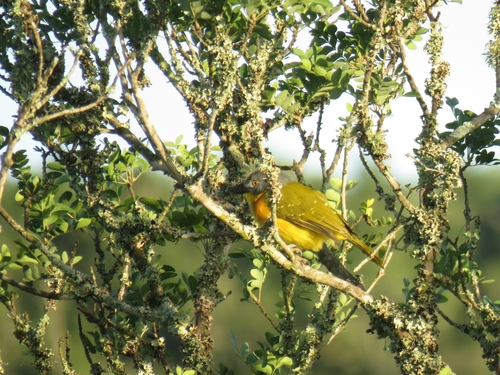
picanço-oliváceo (Malaconotus blanchoti) picanço-oliváceo
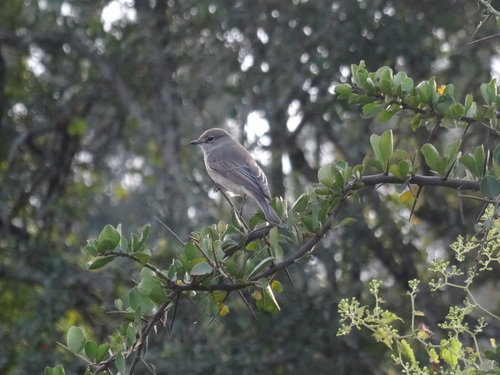
pale flycatcher (Agricola pallidus) pale flycatcher

Mídia

Carregando…

Em resumo

O picanço-oliváceo e o pale flycatcher podem ser distinguidos principalmente pela sua coloração e estrutura. O picanço-oliváceo tem uma cabeça cinza distinta, enquanto o pale flycatcher é geralmente mais pálido no geral. Além disso, o picanço-oliváceo tem um corpo e um bico mais robustos em comparação com a construção esbelta do pale flycatcher.

Dicas de identificação

Procure pela cabeça cinza no picanço-oliváceo como uma característica distintiva chave. Note o tamanho maior e o bico robusto do picanço-oliváceo em comparação com a construção esbelta do pale flycatcher.

Tamanho

O picanço-oliváceo é geralmente maior e mais robusto do que o pale flycatcher.

Plumagem

O picanço-oliváceo apresenta uma cabeça cinza, que contrasta com seu corpo mais colorido, enquanto o pale flycatcher é uniformemente pálido, sem coloração distinta na cabeça.

Enviar uma descrição melhor

Use as mesmas seções da comparação. Seu texto é publicado na hora.

The Grey-headed Bushshrike and Pale Flycatcher can be distinguished primarily by their coloration and structure. The bushshrike has a distinct grey head, while the flycatcher is generally paler overall. Additionally, the bushshrike has a more robust body and bill compared to the slender build of the flycatcher.

Look for the grey head on the bushshrike as a key distinguishing feature. Note the larger size and robust bill of the bushshrike compared to the slender build of the flycatcher.

The Grey-headed Bushshrike is generally larger and more robust than the Pale Flycatcher.

The Grey-headed Bushshrike features a grey head, which contrasts with its more colorful body, while the Pale Flycatcher is uniformly pale with no distinct head coloration.

Descartar as alterações?

Você tem edições não salvas. Se sair agora, elas serão perdidas.

picanço-oliváceo · pale flycatcher · Minhas aves difíceis