
hammond's flycatcher vs mariquita-azul-de-garganta-preta
Empidonax hammondii versus Setophaga caerulescens
Jogue um quiz com hammond's flycatcher e mariquita-azul-de-garganta-preta
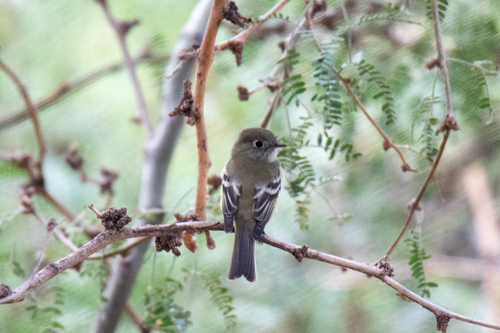 hammond's flycatcher
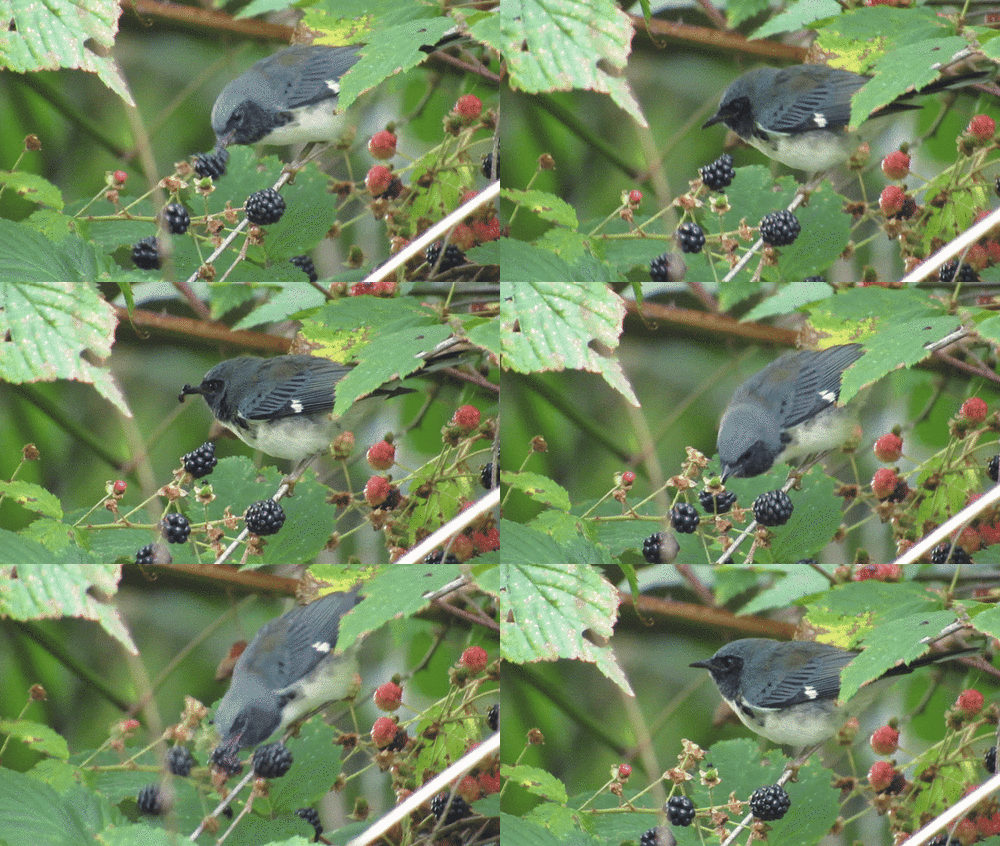 mariquita-azul-de-garganta-preta
Em resumo
Hammond's Flycatcher e mariquita-azul-de-garganta-preta podem ser distinguidos por sua plumagem e preferências de habitat. Hammond's Flycatcher é um pequeno pássaro discreto de florestas coníferas maduras, enquanto a mariquita-azul-de-garganta-preta é mais colorida e habita florestas decíduas.
Dicas de identificação
Procure pela plumagem vibrante da mariquita-azul-de-garganta-preta, especialmente o azul e o preto do macho, em comparação com os tons mais suaves de Hammond's Flycatcher. Considere o habitat: florestas coníferas sugerem Hammond's Flycatcher, enquanto florestas decíduas podem indicar mariquita-azul-de-garganta-preta.
Plumagem
Hammond's Flycatcher é geralmente sem graça, com tons suaves, enquanto a mariquita-azul-de-garganta-preta é mais vibrante, com machos exibindo plumagem impressionante azul e preta e fêmeas apresentando uma coloração verde-acinzentada mais críptica.
Comportamento
Hammond's Flycatcher é principalmente um forrageador aéreo, frequentemente capturando insetos em voo, enquanto o comportamento de forrageio da mariquita-azul-de-garganta-preta não é detalhado aqui.
Habitat
Hammond's Flycatcher prefere florestas coníferas maduras e de crescimento antigo, enquanto a mariquita-azul-de-garganta-preta está associada a florestas decíduas.
hammond's flycatcher · mariquita-azul-de-garganta-preta · Minhas aves difíceis