
bacurau-de-asa-fina vs eastern whip-poor-will
Chordeiles acutipennis versus Antrostomus vociferus
Jogue um quiz com bacurau-de-asa-fina e eastern whip-poor-will
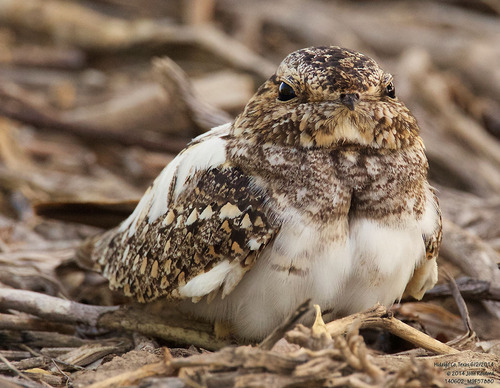 bacurau-de-asa-fina
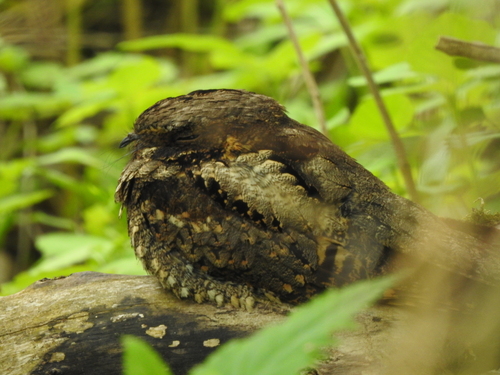 eastern whip-poor-will
Em resumo
O bacurau-de-asa-fina e o eastern whip-poor-will podem ser distinguidos principalmente por suas vocalizações e preferências de habitat. O bacurau-de-asa-fina é conhecido por seu trinado distinto semelhante ao coaxar de um sapo, enquanto o eastern whip-poor-will é famoso por seu chamado enfático 'WHIP-poor-WILL'. Em termos de habitat, o bacurau-de-asa-fina é encontrado em regiões áridas e semiáridas, enquanto o eastern whip-poor-will habita grandes territórios florestais.
Dicas de identificação
Ouça as vocalizações: trinado do bacurau-de-asa-fina vs. 'WHIP-poor-WILL' do eastern whip-poor-will. Verifique o habitat: áreas desérticas para o bacurau-de-asa-fina, florestas para o eastern whip-poor-will. Procure por crescentes brancos nas asas e na garganta do bacurau-de-asa-fina.
Plumagem
Ambas as espécies têm coloração críptica, mas o bacurau-de-asa-fina possui crescentes brancos distintos em suas asas e garganta, que não são mencionados para o eastern whip-poor-will.
Comportamento
Os bacurau-de-asa-fina frequentemente forrageiam em pares ou grupos e podem entrar em torpor em clima frio, enquanto os eastern whip-poor-wills forrageiam sozinhos e não usam torpor.
Habitat
Os bacurau-de-asa-fina habitam ambientes áridos e semiáridos, como arbustos desérticos, enquanto os eastern whip-poor-wills são encontrados em grandes territórios florestais.
Voz
O bacurau-de-asa-fina produz um trinado distinto semelhante ao coaxar de um sapo, enquanto o eastern whip-poor-will é conhecido por seu chamado 'WHIP-poor-WILL'.
bacurau-de-asa-fina · eastern whip-poor-will · Minhas aves difíceis