Birdr

Lesser Nighthawk vs Eastern Whip-poor-will

Chordeiles acutipennis versus Antrostomus vociferus

Play a quiz with Lesser Nighthawk and Eastern Whip-poor-will
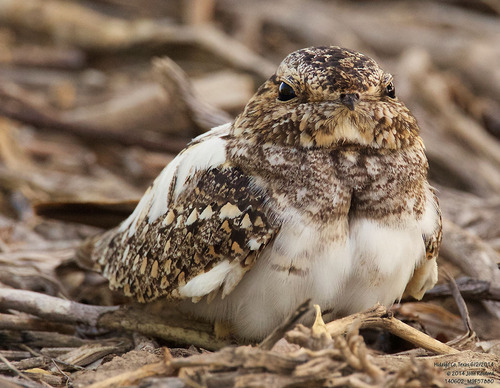
Lesser Nighthawk (Chordeiles acutipennis) Lesser Nighthawk
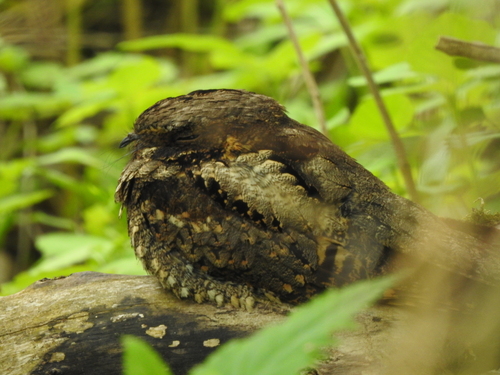
Eastern Whip-poor-will (Antrostomus vociferus) Eastern Whip-poor-will

Media

Loading…

In short

The Lesser Nighthawk and Eastern Whip-poor-will are both cryptically colored, nocturnal birds, but they can be distinguished by their habitat preferences and vocalizations. The Lesser Nighthawk is often seen in open desert areas, while the Eastern Whip-poor-will is more associated with wooded environments. Their calls are distinctive: the Lesser Nighthawk produces a toad-like trill, whereas the Eastern Whip-poor-will is famous for its repetitive 'WHIP-poor-WILL' call.

Identification tips

  1. Habitat: Look for Lesser Nighthawks in open desert areas and Eastern Whip-poor-wills in wooded environments. 2. Vocalization: Listen for the toad-like trill of the Lesser Nighthawk and the 'WHIP-poor-WILL' call of the Eastern Whip-poor-will. 3. Plumage: Note the white crescents on the wings and throat of the Lesser Nighthawk, absent in the Eastern Whip-poor-will. 4. Behavior: Observe flight patterns; Lesser Nighthawks are more likely to be seen flying during the day in open areas.

Size

Both species are similar in size, typical of nightjars, but the Lesser Nighthawk may appear slightly more slender and elongated in flight.

Plumage

Both species are cryptically colored with mottled brown, buff, and black plumage. The Lesser Nighthawk has distinctive white crescents on its wings and throat, which can be a useful field mark. The Eastern Whip-poor-will lacks these white crescents but is similarly camouflaged.

Behaviour

Lesser Nighthawks are often seen flitting low over open ground or skimming above bushes, while Eastern Whip-poor-wills remain motionless during the day and become active at dusk. The Lesser Nighthawk is more likely to be seen in flight during the day in desert areas.

Habitat

Lesser Nighthawks are typically found in arid and semi-arid habitats, such as desert scrub, while Eastern Whip-poor-wills prefer large woodland territories with ample leaf litter for nesting.

Voice

The Lesser Nighthawk is known for its distinctive toad-like trill, whereas the Eastern Whip-poor-will's call is a repetitive 'WHIP-poor-WILL', often heard at dusk and dawn.

Submit a better description

Use the same sections as the comparison. Your text is published immediately.

The Lesser Nighthawk and Eastern Whip-poor-will are both cryptically colored, nocturnal birds, but they can be distinguished by their habitat preferences and vocalizations. The Lesser Nighthawk is often seen in open desert areas, while the Eastern Whip-poor-will is more associated with wooded environments. Their calls are distinctive: the Lesser Nighthawk produces a toad-like trill, whereas the Eastern Whip-poor-will is famous for its repetitive 'WHIP-poor-WILL' call.

  1. Habitat: Look for Lesser Nighthawks in open desert areas and Eastern Whip-poor-wills in wooded environments. 2. Vocalization: Listen for the toad-like trill of the Lesser Nighthawk and the 'WHIP-poor-WILL' call of the Eastern Whip-poor-will. 3. Plumage: Note the white crescents on the wings and throat of the Lesser Nighthawk, absent in the Eastern Whip-poor-will. 4. Behavior: Observe flight patterns; Lesser Nighthawks are more likely to be seen flying during the day in open areas.

Both species are similar in size, typical of nightjars, but the Lesser Nighthawk may appear slightly more slender and elongated in flight.

Both species are cryptically colored with mottled brown, buff, and black plumage. The Lesser Nighthawk has distinctive white crescents on its wings and throat, which can be a useful field mark. The Eastern Whip-poor-will lacks these white crescents but is similarly camouflaged.

Lesser Nighthawks are often seen flitting low over open ground or skimming above bushes, while Eastern Whip-poor-wills remain motionless during the day and become active at dusk. The Lesser Nighthawk is more likely to be seen in flight during the day in desert areas.

Lesser Nighthawks are typically found in arid and semi-arid habitats, such as desert scrub, while Eastern Whip-poor-wills prefer large woodland territories with ample leaf litter for nesting.

The Lesser Nighthawk is known for its distinctive toad-like trill, whereas the Eastern Whip-poor-will's call is a repetitive 'WHIP-poor-WILL', often heard at dusk and dawn.

Discard your changes?

You have unsaved edits. If you leave now, those changes will be lost.

Lesser Nighthawk · Eastern Whip-poor-will · My Tricky Birds