
bacurau-tesourão vs bacurau-rabo-de-seda
Hydropsalis forcipata versus Antrostomus sericocaudatus
Jogue um quiz com bacurau-tesourão e bacurau-rabo-de-seda
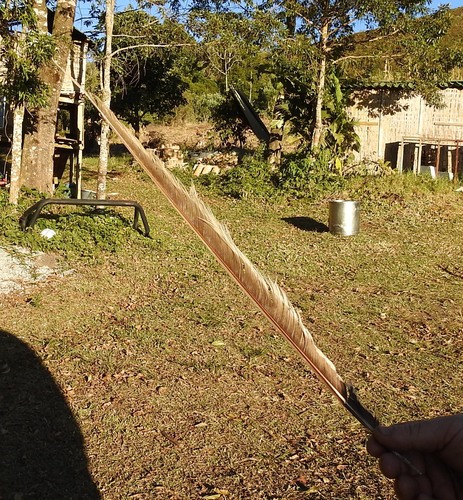 bacurau-tesourão
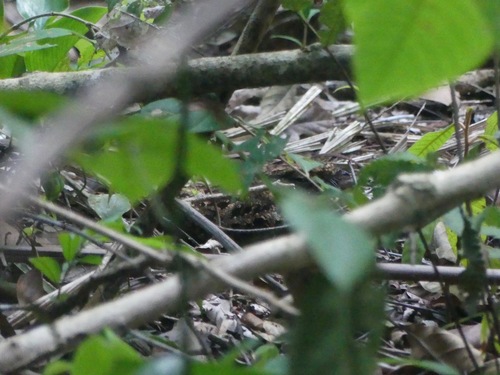 bacurau-rabo-de-seda
Em resumo
A estrutura da cauda é a marca de campo mais confiável: o bacurau-tesourão tem uma cauda excepcionalmente longa com penas centrais alongadas, enquanto o bacurau-rabo-de-seda tem uma cauda mais curta e com formato mais uniforme. Ambas as espécies pertencem a gêneros diferentes, o que afeta sua estrutura e aparência geral.
Dicas de identificação
- Procure pela comprimento e formato da cauda: o bacurau-tesourão tem uma cauda notavelmente longa com penas centrais alongadas. 2. Observe a estrutura geral: diferenças na estrutura da cauda podem ajudar a distinguir essas espécies.
Plumagem
O bacurau-tesourão geralmente apresenta uma cauda mais pronunciada com penas centrais alongadas, enquanto a cauda do bacurau-rabo-de-seda é mais curta e com formato mais uniforme.
bacurau-tesourão · bacurau-rabo-de-seda · Minhas aves difíceis