Birdr

Long-trained Nightjar vs Silky-tailed Nightjar

Hydropsalis forcipata versus Antrostomus sericocaudatus

Play a quiz with Long-trained Nightjar and Silky-tailed Nightjar
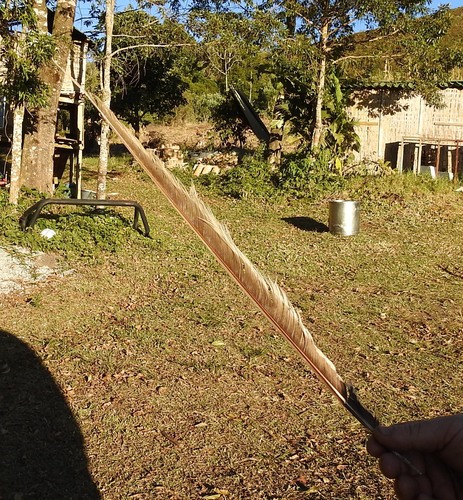
Long-trained Nightjar (Hydropsalis forcipata) Long-trained Nightjar
Silky-tailed Nightjar (Antrostomus sericocaudatus) Silky-tailed Nightjar

Media

Loading…

In short

The Long-trained Nightjar (Hydropsalis forcipata) and Silky-tailed Nightjar (Antrostomus sericocaudatus) are both nightjars with long tails, but differ in tail structure and plumage patterns. The Long-trained Nightjar has notably elongated outer tail feathers, while the Silky-tailed Nightjar's tail is more uniformly long and silky. Look for these differences in tail structure as the most reliable field mark.

Identification tips

Size

Both species are similar in size, typical of medium-sized nightjars.

Plumage

The Long-trained Nightjar has a more contrasting plumage with distinct white markings on the wings and tail, especially in males. The Silky-tailed Nightjar tends to have a more uniform and silky appearance with less contrast.

Behaviour

Both species exhibit typical nightjar behavior, being crepuscular and nocturnal. They often perch on the ground or low branches.

Habitat

Both species inhabit forested areas, but the Long-trained Nightjar is more often found in open areas within forests, while the Silky-tailed Nightjar prefers denser forest environments.

Voice

Vocalizations are not well-documented for both species, but they likely have distinct calls typical of nightjars. Observers should listen for differences in pitch and rhythm if possible.

Submit a better description

Use the same sections as the comparison. Your text is published immediately.

The Long-trained Nightjar (Hydropsalis forcipata) and Silky-tailed Nightjar (Antrostomus sericocaudatus) are both nightjars with long tails, but differ in tail structure and plumage patterns. The Long-trained Nightjar has notably elongated outer tail feathers, while the Silky-tailed Nightjar's tail is more uniformly long and silky. Look for these differences in tail structure as the most reliable field mark.

  • Tail structure: Look for the Long-trained Nightjar's elongated outer tail feathers, especially in flight.
  • Plumage contrast: Note the more contrasting plumage of the Long-trained Nightjar.
  • Habitat preference: Consider the habitat; Long-trained Nightjars are more likely in open forest areas.
  • Time of activity: Both are active at dusk and dawn, so focus observations during these times.

Both species are similar in size, typical of medium-sized nightjars.

The Long-trained Nightjar has a more contrasting plumage with distinct white markings on the wings and tail, especially in males. The Silky-tailed Nightjar tends to have a more uniform and silky appearance with less contrast.

Both species exhibit typical nightjar behavior, being crepuscular and nocturnal. They often perch on the ground or low branches.

Both species inhabit forested areas, but the Long-trained Nightjar is more often found in open areas within forests, while the Silky-tailed Nightjar prefers denser forest environments.

Vocalizations are not well-documented for both species, but they likely have distinct calls typical of nightjars. Observers should listen for differences in pitch and rhythm if possible.

Discard your changes?

You have unsaved edits. If you leave now, those changes will be lost.

Long-trained Nightjar · Silky-tailed Nightjar · My Tricky Birds