
fan-tailed warbler vs mariquita-de-barrete-preto
Euthlypis lachrymosa versus Cardellina pusilla
Jogue um quiz com fan-tailed warbler e mariquita-de-barrete-preto
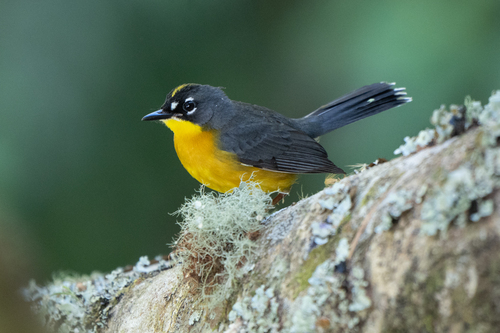 fan-tailed warbler
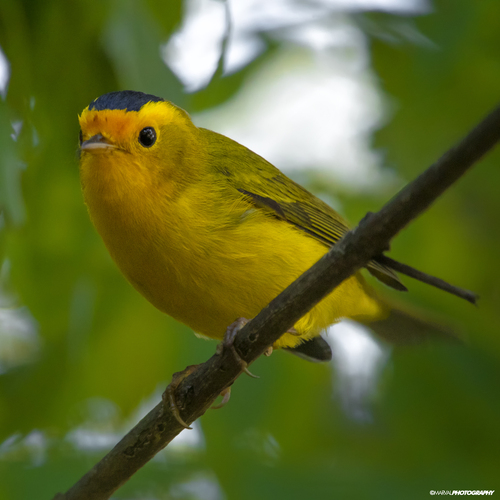 mariquita-de-barrete-preto
Em resumo
A fan-tailed warbler e a mariquita-de-barrete-preto podem ser distinguidas principalmente por suas marcas na cabeça e comportamento. A fan-tailed warbler não possui o distinto boné preto da mariquita-de-barrete-preto e é notada por sua cauda em forma de leque. Em contraste, a mariquita-de-barrete-preto é reconhecida por seu padrão de cores simples e brilhante e seu comportamento característico de agitar a cauda.
Dicas de identificação
- Procure o boné preto na mariquita-de-barrete-preto. 2. Observe o comportamento de agitar a cauda da mariquita-de-barrete-preto. 3. Note o habitat: a mariquita-de-barrete-preto é frequentemente encontrada em áreas úmidas e arbustivas. 4. Escute a canção curta e tagarela da mariquita-de-barrete-preto.
Plumagem
A mariquita-de-barrete-preto é facilmente identificada pelo seu boné preto e padrão de cores brilhante e simples. A fan-tailed warbler não tem um boné preto e pode apresentar diferentes características de plumagem, como uma cauda em forma de leque.
Comportamento
A mariquita-de-barrete-preto é conhecida por seu comportamento característico de agitar a cauda e é frequentemente vista se movendo rapidamente entre salgueiros e vegetação rasteira. Esse comportamento é uma distinção chave em relação à fan-tailed warbler.
Habitat
A mariquita-de-barrete-preto é comumente encontrada em habitats úmidos, áreas ripárias e prados úmidos com arbustos decíduos, enquanto as preferências de habitat da fan-tailed warbler não estão especificadas aqui.
Voz
A mariquita-de-barrete-preto tem uma canção curta e tagarela que é uma característica distintiva, mas não há informações específicas sobre vocalização fornecidas para a fan-tailed warbler.
fan-tailed warbler · mariquita-de-barrete-preto · Minhas aves difíceis