
tartaranhão-cinzento-americano vs tauató-miúdo
Circus hudsonius versus Accipiter striatus
Jogue um quiz com tartaranhão-cinzento-americano e tauató-miúdo
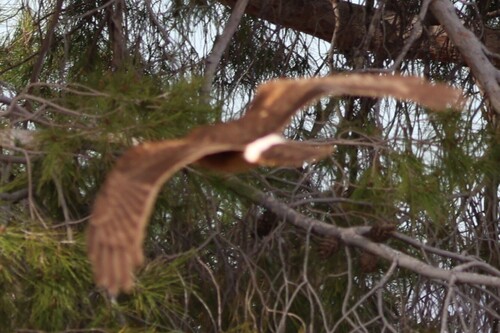 tartaranhão-cinzento-americano
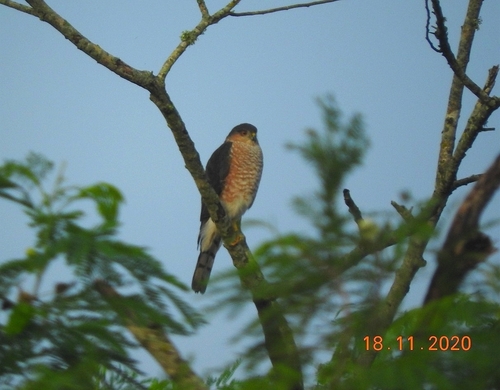 tauató-miúdo
Em resumo
O tartaranhão-cinzento-americano e o tauató-miúdo podem ser distinguidos pelo seu comportamento de voo e preferências de habitat. O tartaranhão-cinzento-americano é conhecido por seu voo baixo e flutuante sobre campos abertos e pântanos, enquanto o tauató-miúdo é mais frequentemente visto em áreas florestais, exibindo movimentos rápidos e ágeis. Ambas as espécies têm plumagem distinta, mas seus padrões de voo e habitats são mais confiáveis para identificação.
Dicas de identificação
Procure pela mancha branca na cauda do tartaranhão-cinzento-americano, especialmente quando visto voando baixo sobre campos abertos. Note o habitat: tartaranhões-cinzento-americanos estão em áreas abertas, enquanto tauatás-miúdos estão em florestas. Observe o estilo de voo: tartaranhões-cinzento-americanos têm um voo flutuante e deslizante, enquanto tauatás-miúdos exibem movimentos rápidos e ágeis entre as árvores.
Tamanho
O tartaranhão-cinzento-americano é geralmente maior e mais esguio em comparação com o menor e mais compacto tauató-miúdo.
Plumagem
O tartaranhão-cinzento-americano tem uma mancha branca distinta na cauda, que está ausente no tauató-miúdo. O tauató-miúdo tipicamente tem uma coloração mais uniforme com partes inferiores ruivas ou listradas, dependendo da idade e morfo.
Comportamento
O tartaranhão-cinzento-americano se alimenta voando baixo sobre áreas abertas, muitas vezes usando pistas auditivas, enquanto o tauató-miúdo é conhecido por seu voo rápido e ágil através de áreas florestais, frequentemente emboscando presas.
Habitat
Tartaranhões-cinzento-americanos são tipicamente encontrados em habitats abertos, como tundra, campos de grama e pântanos, enquanto tauatás-miúdos preferem áreas florestais.
tartaranhão-cinzento-americano · tauató-miúdo · Minhas aves difíceis