
alegrinho-do-chaco vs enferrujado
Inezia inornata versus Lathrotriccus euleri
Jogue um quiz com alegrinho-do-chaco e enferrujado
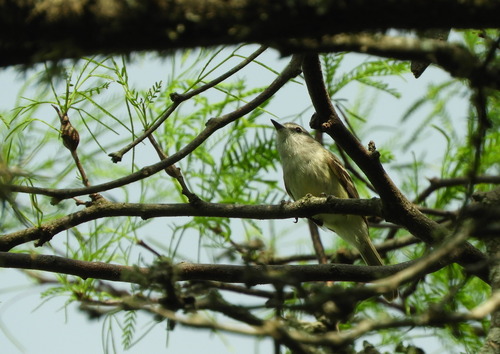 alegrinho-do-chaco
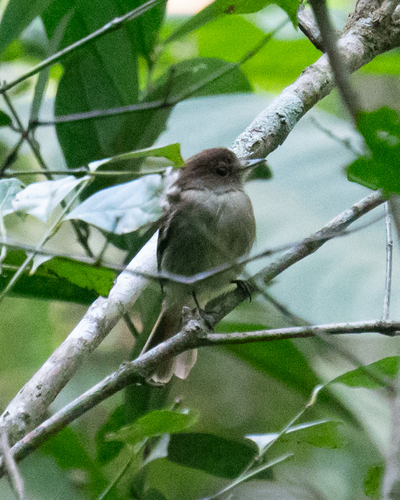 enferrujado
Em resumo
A maneira mais confiável de distinguir um alegrinho-do-chaco de um enferrujado é pela sua estrutura e comportamento. O alegrinho-do-chaco geralmente tem um bico mais esguio e é frequentemente visto em habitats mais abertos, enquanto o enferrujado tem uma aparência ligeiramente mais robusta e prefere ambientes florestais mais densos.
Dicas de identificação
1. Estrutura do Bico: Procure um bico esguio no alegrinho-do-chaco em comparação com o bico ligeiramente mais robusto do enferrujado. 2. Preferência de Habitat: Observe o habitat ao redor; áreas abertas sugerem alegrinho-do-chaco, enquanto florestas densas sugerem enferrujado. 3. Comportamento: Note o nível de atividade e o comportamento de forrageio; forrageio ativo em áreas abertas é indicativo do alegrinho-do-chaco.
Plumagem
Ambas as espécies têm plumagem relativamente simples, mas o alegrinho-do-chaco pode parecer ligeiramente mais pálido em geral em comparação com o enferrujado.
Comportamento
Os alegrinhos-do-chaco são frequentemente vistos forrageando ativamente em áreas abertas, enquanto os enferrujados tendem a permanecer dentro da vegetação densa da floresta.
Habitat
Os alegrinhos-do-chaco são mais comumente encontrados em habitats abertos, enquanto os enferrujados estão tipicamente associados a ambientes florestais mais densos.