
pisa-n’água-de-pescoço-vermelho vs maçarico-das-rochas
Phalaropus lobatus versus Actitis hypoleucos
Jogue um quiz com pisa-n’água-de-pescoço-vermelho e maçarico-das-rochas
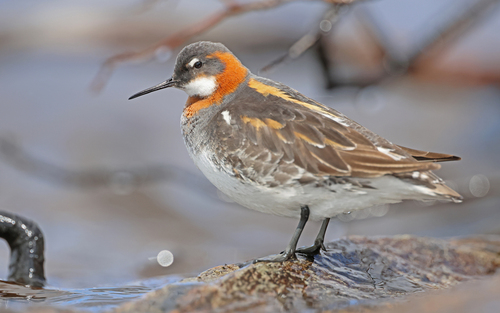 pisa-n’água-de-pescoço-vermelho
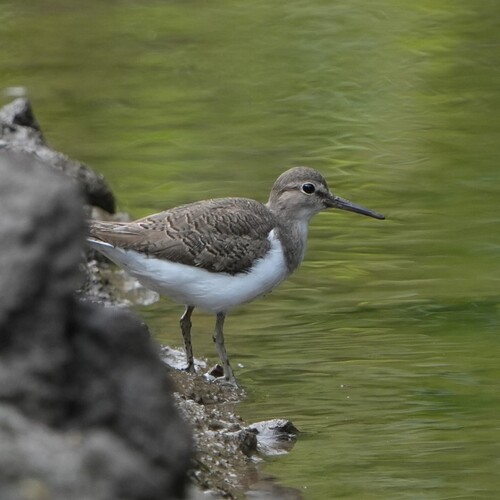 maçarico-das-rochas
Em resumo
O pisa-n’água-de-pescoço-vermelho e o maçarico-das-rochas podem ser distinguidos principalmente por sua estrutura e comportamento. O pisa-n’água-de-pescoço-vermelho é mais esguio, com um bico mais fino, e é conhecido por seu comportamento único de girar para se alimentar. Em contraste, o maçarico-das-rochas tem uma aparência mais robusta, com uma distinta faixa branca na asa visível em voo.
Dicas de identificação
- Procure pelo comportamento de girar do pisa-n’água-de-pescoço-vermelho ao se alimentar.
- Note a faixa branca na asa em voo do maçarico-das-rochas.
- Verifique a estrutura do bico: mais fino no pisa-n’água-de-pescoço-vermelho.
- Observe a mancha ocular: preta no pisa-n’água-de-pescoço-vermelho, ausente no maçarico-das-rochas.
Tamanho
O maçarico-das-rochas é ligeiramente maior, com uma envergadura de 38–41 cm em comparação com a construção mais delicada do pisa-n’água-de-pescoço-vermelho.
Plumagem
Os pisa-n’água-de-pescoço-vermelho têm impressionantes manchas oculares pretas e mantos cinzentos, enquanto os maçaricos-das-rochas têm partes superiores marrom-esverdeadas com manchas escuras no peito lateral e um anel ocular pálido. Em voo, o maçarico-das-rochas exibe uma faixa branca na asa.
Comportamento
Os pisa-n’água-de-pescoço-vermelho são conhecidos por girar em círculos apertados para se alimentar de plâncton, um comportamento não observado nos maçaricos-das-rochas.
Voz
O maçarico-das-rochas tem um chamado distinto e rápido 'swee-wee-wee', enquanto as vocalizações do pisa-n’água-de-pescoço-vermelho não são descritas aqui.
pisa-n’água-de-pescoço-vermelho · maçarico-das-rochas · Minhas aves difíceis