Birdr

galo-montês vs codorniz

Tetrao urogallus versus Coturnix coturnix

Jogue um quiz com galo-montês e codorniz
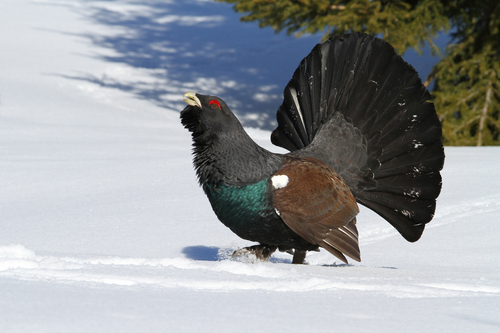
galo-montês (Tetrao urogallus) galo-montês
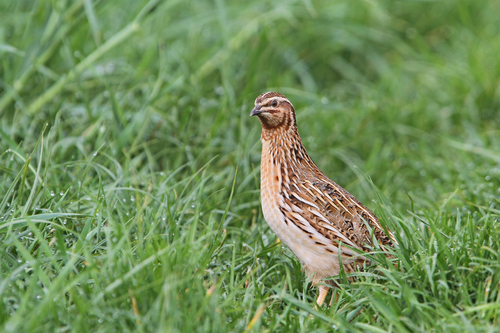
codorniz (Coturnix coturnix) codorniz

Mídia

Carregando…

Em resumo

O galo-montês e a codorniz são vastamente diferentes em tamanho e preferências de habitat, tornando-os improváveis de serem confundidos em campo. O galo-montês é uma ave grande, que habita florestas, enquanto a codorniz é muito menor e tipicamente encontrada em campos abertos.

Dicas de identificação

Tamanho: O galo-montês é muito maior que a codorniz. Habitat: Procure galo-monteses em florestas e codornizes em campos abertos.

Tamanho

O galo-montês é significativamente maior que a codorniz, sendo o galo-montês um dos maiores membros da família dos tetraz, enquanto a codorniz é uma ave pequena, que habita o solo.

Habitat

Galo-monteses habitam florestas de coníferas, enquanto codornizes são encontradas em campos abertos e pastagens.

Enviar uma descrição melhor

Use as mesmas seções da comparação. Seu texto é publicado na hora.

The Western Capercaillie and Common Quail are vastly different in size and habitat preferences, making them unlikely to be confused in the field. The Capercaillie is a large, forest-dwelling bird, while the Quail is much smaller and typically found in open fields.

Size: The Capercaillie is much larger than the Quail. Habitat: Look for Capercaillies in forests and Quails in open fields.

The Western Capercaillie is significantly larger than the Common Quail, with the Capercaillie being one of the largest members of the grouse family, whereas the Quail is a small, ground-dwelling bird.

Western Capercaillies inhabit coniferous forests, while Common Quails are found in open fields and grasslands.

Descartar as alterações?

Você tem edições não salvas. Se sair agora, elas serão perdidas.

galo-montês · codorniz · Minhas aves difíceis