Birdr

irerê vs águia-sapeira

Dendrocygna viduata versus Circus aeruginosus

Jogue um quiz com irerê e águia-sapeira
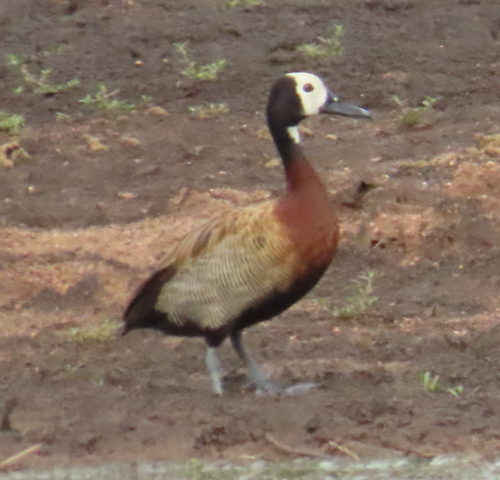
irerê (Dendrocygna viduata) irerê
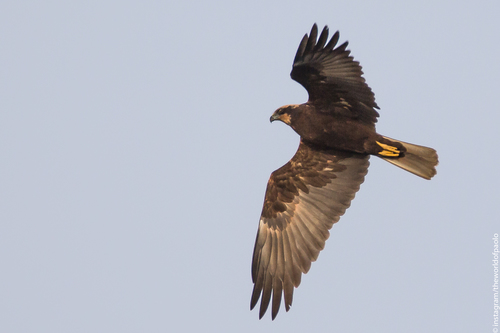
águia-sapeira (Circus aeruginosus) águia-sapeira

Mídia

Carregando…

Em resumo

O irerê e a águia-sapeira são facilmente distinguidos por sua estrutura e preferências de habitat. O pato é uma ave aquática com um distinto rosto branco, enquanto a águia é um rapinante com asas longas e um padrão de voo planador.

Dicas de identificação

Procure pelo rosto branco e comportamento em bandos do irerê perto da água. Em contraste, observe o voo planador e o habitat de pântano da águia-sapeira.

Tamanho

A águia-sapeira é significativamente maior que o irerê, com um corpo mais alongado e envergadura típica de rapinantes.

Plumagem

O irerê tem um rosto branco marcante e corpo escuro, enquanto a águia-sapeira tem uma plumagem mais variável com tons marrons e frequentemente manchas mais claras nas asas.

Comportamento

O irerê é frequentemente visto em bandos na água, enquanto a águia-sapeira é tipicamente solitária, planando sobre campos abertos e pântanos.

Habitat

Irerês são encontrados em áreas úmidas e corpos d'água abertos, enquanto águias-sapeiras estão associadas a pântanos, canaviais e campos abertos.

Enviar uma descrição melhor

Use as mesmas seções da comparação. Seu texto é publicado na hora.

The White-faced Whistling-Duck and the Western Marsh Harrier are easily distinguished by their structure and habitat preferences. The duck is a waterfowl with a distinctive white face, while the harrier is a raptor with long wings and a soaring flight pattern.

Look for the white face and flocking behavior of the White-faced Whistling-Duck near water. In contrast, observe the soaring flight and marshland habitat of the Western Marsh Harrier.

The Western Marsh Harrier is significantly larger than the White-faced Whistling-Duck, with a more elongated body and wingspan typical of raptors.

The White-faced Whistling-Duck has a striking white face and dark body, while the Western Marsh Harrier has a more variable plumage with brown tones and often lighter patches on the wings.

The White-faced Whistling-Duck is often seen in flocks on water, while the Western Marsh Harrier is typically solitary, soaring over open fields and marshes.

White-faced Whistling-Ducks are found in wetlands and open water bodies, whereas Western Marsh Harriers are associated with marshes, reed beds, and open fields.

Descartar as alterações?

Você tem edições não salvas. Se sair agora, elas serão perdidas.

irerê · águia-sapeira · Minhas aves difíceis